
The Case for Drinking Seasonal Beverages
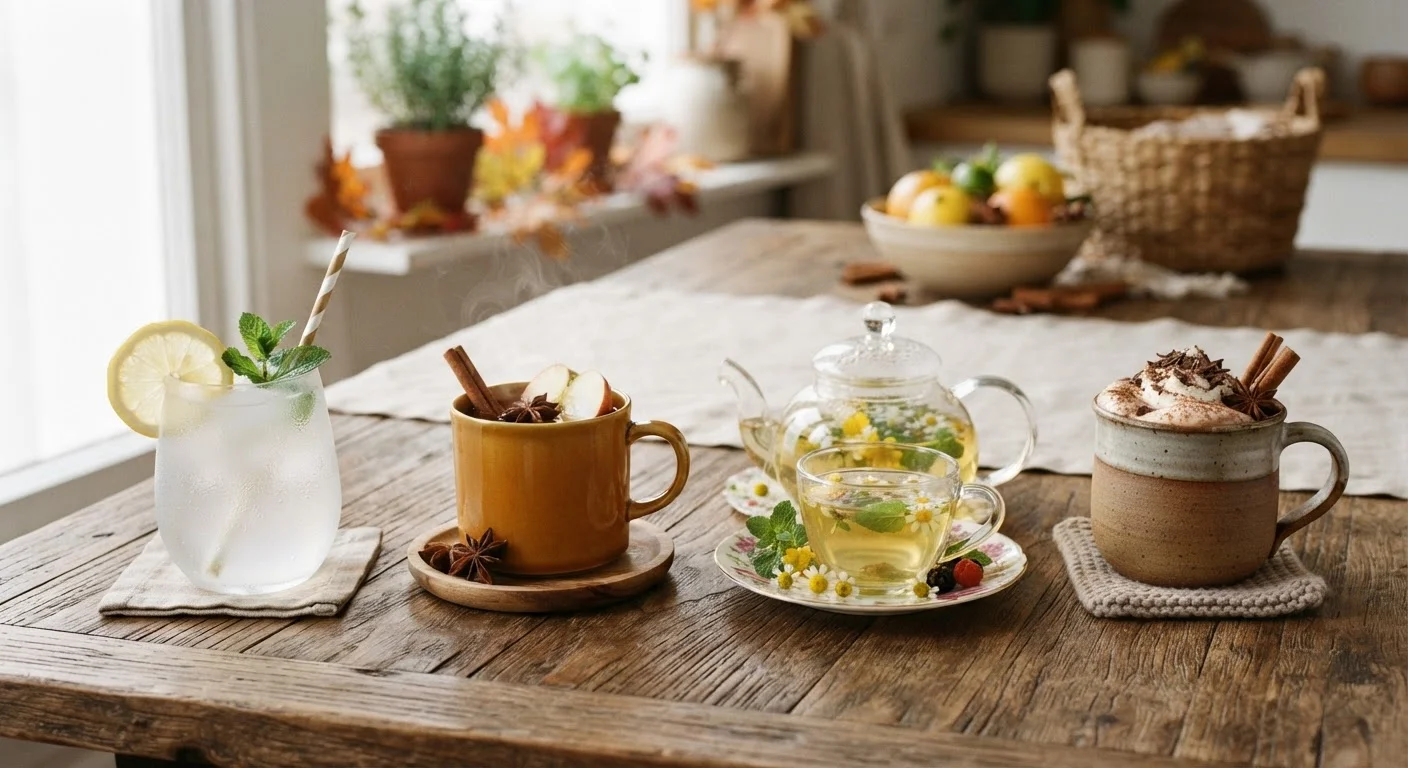
Photo credit: InfoHorizon.net | Access To Informative Content
Seasonal drinking isn't just a trend — there are real flavor and cultural reasons why certain drinks belong to certain times of year.
Key Takeaways
- Seasonal ingredients taste better in their peak window, making drinks made with them noticeably more flavorful.
- Temperature and body weight naturally influence what beverages feel satisfying at different times of year.
- Cultural drinking traditions around seasons are deeply rooted in agriculture, celebration, and climate.
- Drinking seasonally is an easy, low-effort way to keep your beverage routine interesting and fresh.
- Many seasonal drinks can be adapted for non-alcoholic versions without losing their essential character.
Why Timing Actually Matters in a Glass
There's a reason a pumpkin spice latte in August feels forced while the same drink on a cold October morning feels exactly right. Seasonal drinking isn't a marketing invention — it's rooted in ingredient availability, temperature logic, and centuries of cultural habit. When you align what's in your glass with what's happening outside, the result is almost always more satisfying.
This goes beyond nostalgia. Flavor science, agricultural cycles, and even basic human physiology all support the idea that certain beverages simply belong to certain times of year. Whether you're reaching for morning coffee, an afternoon tea, or a weekend cocktail, understanding the why behind seasonal drinking gives you a practical framework for making better choices year-round.
Below are the core reasons — grounded in flavor, culture, and common sense — that make the case for drinking with the seasons.
Peak ingredients taste dramatically different
A strawberry picked in June bears little resemblance — in flavor, aroma, or sweetness — to one imported in January. The same principle applies directly to drinks. Fresh-pressed apple cider made from fall harvest apples has a complexity that pasteurized, shelf-stable versions simply can't replicate. Citrus juiced in winter, when navel oranges and blood oranges are at their peak, produces a brighter, more layered drink than the same recipe in summer.
When you build beverages around ingredients at their seasonal peak, you're working with produce that has developed full sugar content, optimal acidity, and concentrated aromatics. That makes a real, perceptible difference in the finished glass — not a subtle one.
Beverages built around peak-season ingredients taste noticeably more complex and satisfying.
Temperature and body weight match what we physically want
Human appetite for hot versus cold, heavy versus light drinks isn't arbitrary — it tracks closely with ambient temperature and how our bodies regulate heat. In cold months, warm beverages contribute to a sense of comfort and satiety; the same cup of iced tea that refreshes in August can feel alienating in February. In summer heat, carbonated, cold, and lightly acidic drinks are genuinely more thirst-quenching because they stimulate salivation and cool the body more efficiently.
Body or weight in a drink — think full-bodied red wine versus a crisp rosé, or a rich hot chocolate versus a sparkling water — also aligns intuitively with seasonal context. Heavier drinks feel earned and satisfying in winter; lighter ones feel appropriate and refreshing in summer. You don't need a rulebook to follow this instinct. It's already built in.
Our physical preference for hot, heavy, or cold, light drinks shifts naturally with the temperature outside.
Cultural traditions encode seasonal wisdom
Most enduring drink traditions are seasonal by design. Eggnog in winter, mint juleps in spring, sangria in summer, mulled wine in autumn — these aren't arbitrary associations. They evolved because local ingredients peaked at those times and the drinks made sense for the climate and occasion. Tea traditions across different cultures show this clearly: hot, heavily steeped teas dominate cold-climate winter customs, while lighter, cold-brewed, or floral variations are associated with warmer seasons in many traditions.
Following these rhythms — even loosely — connects you to a longer, richer history of how people have related to their environment through food and drink. That context adds meaning to what's in the glass.
Most beloved drink traditions are seasonal by design, encoding centuries of agricultural and cultural logic.
Variety prevents palate fatigue
Drinking the same beverages year-round is one of the easiest ways to stop tasting them. When something becomes completely routine, the brain stops registering its nuances. Seasonal rotation naturally breaks that cycle. If you only drink spiced hot cider from October through December, the first cup of the season carries genuine novelty and pleasure. That's not just psychological — sensory anticipation primes your palate to pay closer attention.
This is one reason craft breweries and specialty coffee roasters work on seasonal releases: they know their customers will engage more thoughtfully with something they can only have for a limited window. You can apply the same logic informally at home, simply by deciding to lean into what's natural for each season rather than defaulting to the same habits all year.
Seasonal rotation keeps your palate engaged and prevents the numbness that comes from routine drinking habits.
Non-alcoholic seasonal drinks are just as compelling
The seasonal logic applies equally — sometimes more vividly — to non-alcoholic options. A shrub (drinking vinegar) made with summer stone fruits, a spiced turmeric latte in winter, or a hibiscus iced tea in July all carry strong seasonal identity without any alcohol. This is worth emphasizing because much seasonal drink culture defaults to cocktails and wine, leaving non-drinkers with fewer obvious options.
If you're curious about how the non-alcoholic category has evolved, non-alcoholic spirits have improved considerably and can anchor seasonal mocktails with real complexity. The underlying principle — match what's fresh, match the temperature, honor the occasion — translates perfectly regardless of whether alcohol is involved.
Non-alcoholic seasonal drinks are just as satisfying and deserve equal attention in any seasonal drinking approach.
Putting Seasonal Drinking Into Practice
Seasonal drinking doesn't require a strict calendar or specialty ingredients. Start by noticing what's fresh at your local farmers market and building a drink around it — a basil-and-cucumber agua fresca in July, a warm spiced cider in November. If you enjoy making drinks at home, homemade seasonal syrups are one of the simplest upgrades you can make, letting you capture peak flavors and use them for weeks.
It's also worth revisiting drinks you may have written off. A light, effervescent kombucha that felt too thin in winter might be exactly what you want on a humid August afternoon. For a broader look at fermented options beyond the familiar, fermented drinks beyond beer and wine offer a surprising seasonal range. And if you're curious how to match whatever's in your glass to what's on your plate, the principles behind drink and food pairing apply across every season.
Start Simple: One Seasonal Swap
You don't need to overhaul your entire drink routine at once. Pick one category — morning drink, afternoon refresher, or weekend treat — and make one seasonal swap per month. A simple change like switching from iced coffee to hot pour-over in October, or adding fresh watermelon juice to your summer sparkling water rotation, builds the habit gradually without any pressure.
This article is for general informational purposes only and does not constitute medical or dietary advice. Individual health needs vary — consult a qualified healthcare professional with specific concerns.

Author
Food Editorial Team
Food Editorial Team is the collective byline for our editorial team and contributor network. Articles published under this byline or an editorial pen name are researched, written, and reviewed according to our editorial standards for clarity, consistency, and independence before publication.
View all articles →