
Cocktail Dilution and Why It Matters More Than You Think
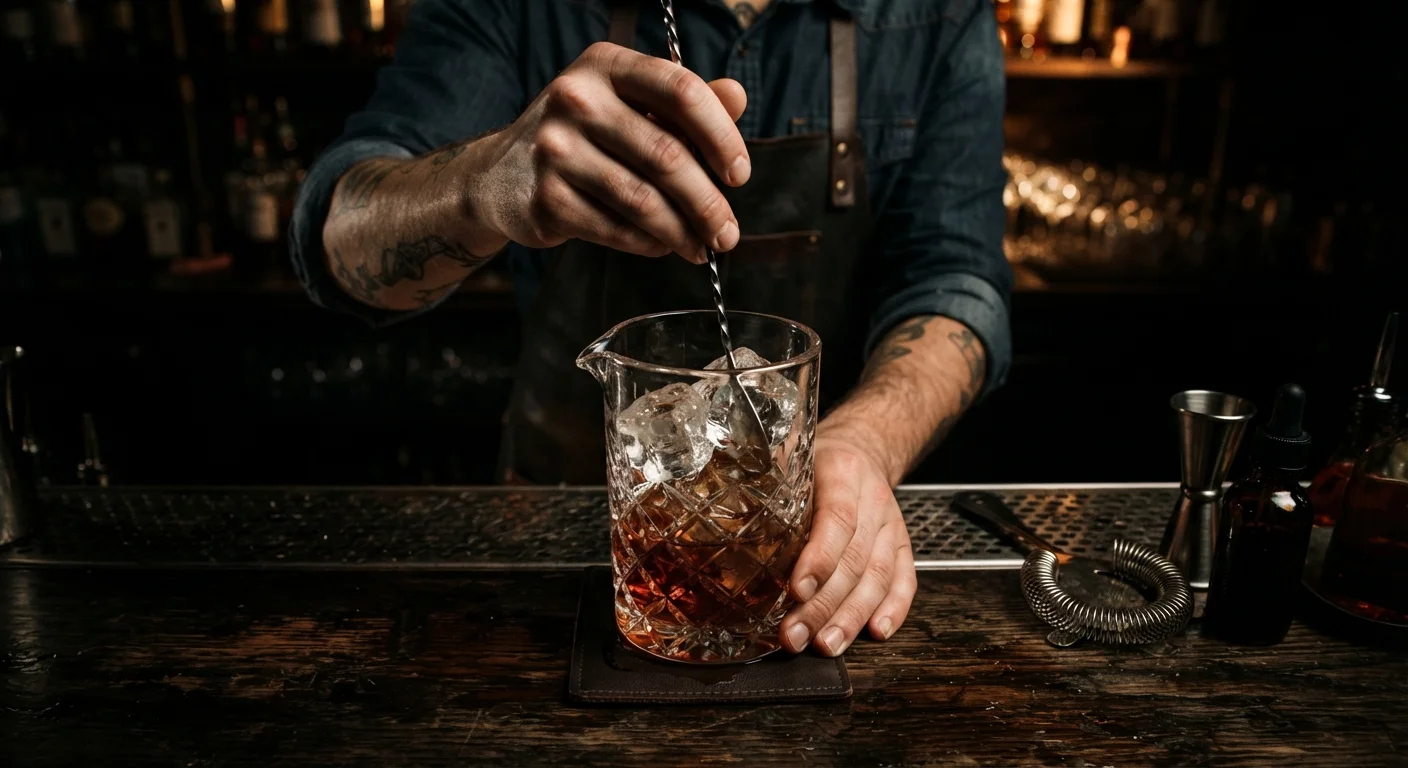
Photo credit: InfoHorizon.net | Access To Informative Content
In this article
Dilution isn't a flaw in a cocktail — it's a design element. Learn how stirring, shaking, and ice size all affect the final drink.
Key Takeaways
- Dilution is an intentional design element, not an accident or flaw.
- Shaking adds more dilution and aeration than stirring — that's why they suit different drinks.
- Larger ice cubes melt slower, giving you more control over dilution rate.
- Underdiluted cocktails taste harsh and raw; overdiluted ones taste flat and watery.
- Temperature and dilution are linked — properly chilled ice dilutes more predictably.
- Ice quality, glass temperature, and mixing time all affect the final result.
What Dilution Actually Does to a Drink
Pour a whiskey neat, then add a few drops of water. Most drinkers notice the spirit opens up — sharp alcohol edges soften, and aroma becomes more expressive. That's dilution at work on a small scale. In a cocktail, the same principle plays out through mixing with ice.
Water does three things simultaneously. First, it lowers alcohol concentration, making the drink more approachable. Second, it drops the temperature, which suppresses certain volatile compounds and sharpens perceived sweetness. Third, it integrates ingredients — a Manhattan with no dilution tastes like separate layers of whiskey, vermouth, and bitters; properly diluted, those flavors knit together into a unified drink.
Dilution is also why a cocktail made correctly at a bar is hard to replicate by simply combining room-temperature spirits in a glass. Without the chilling and water from ice, the drink will taste unbalanced no matter how good the ingredients are. For more context on building balanced cocktails, understanding how ingredients like syrups interact with dilution is useful — see our guide on making cocktail syrups at home.
~25–30%
Water content added during proper stirring
Professional bartending guidelines suggest spirit-forward stirred cocktails reach optimal balance at roughly 25–30% added water by volume.
2×
More dilution from shaking vs. stirring
Cocktail science research has generally found that vigorous shaking produces approximately twice the dilution of stirring in the same timeframe, due to ice fracturing and increased surface area.
Stirring vs. Shaking: Different Dilution for Different Drinks
The method of mixing determines both the amount and the character of dilution.
Stirring is a gentler motion used for spirit-forward cocktails — Negronis, Manhattans, martinis. Ice and liquid stay in contact long enough to chill and dilute, but because the action is smooth, minimal aeration occurs. The result is a silky, clear drink with controlled dilution. A well-stirred cocktail typically reaches the right balance in 30–45 seconds of steady circular motion.
Shaking is aggressive. It chips ice, traps tiny air bubbles, and melts significantly more water in a shorter time. That's exactly what a Daiquiri or a Whiskey Sour needs — the added water softens the citrus sharpness, the aeration creates a lighter texture, and the faster chill is balanced by the higher dilution. Shaking a spirit-forward cocktail, however, clouds it and over-dilutes it, stripping away the texture that makes those drinks satisfying.
Chill Your Mixing Glass First
A warm mixing glass steals temperature from your ice before dilution even begins, causing it to melt faster than intended. Fill your glass with ice water for 30 seconds, dump it, then add your cocktail ice. This small step gives you significantly more control over dilution rate.
The rule of thumb: stir when the drink contains only spirits, liqueurs, and low-water ingredients. Shake when citrus juice, egg whites, cream, or other emulsifiable ingredients are involved.
Why Ice Size and Quality Change Everything
Not all ice is equal in a cocktail context. Ice affects dilution through surface area: more surface area means faster melting and faster dilution.
- Large format cubes or spheres have a low surface-area-to-volume ratio. They chill slowly and dilute slowly — ideal for serving a spirit-neat in a rocks glass where you want minimal change over time.
- Standard cracked or cubed ice has more surface area. It dilutes faster, which is why a drink built in a rocks glass with small ice gets watery within minutes.
- Crushed ice melts very rapidly, providing heavy dilution quickly. It suits drinks like a Mint Julep where a cold, diluted, high-volume drink is the goal.
Ice quality matters too. Cloudy ice is full of trapped air and impurities that make it melt faster and can introduce off-flavors. Clear, dense ice — whether made with directional freezing or purchased — melts more slowly and dilutes more predictably. For a cocktail party, investing in a large-format ice tray can noticeably improve batch drinks served over time.
Wet vs. Dry Ice Going In
Ice taken straight from a freezer is 'dry' and cold — it dilutes more slowly and chills efficiently. Ice that has been sitting out or rinsed under tap water is 'wet' and already beginning to melt. Wet ice will dilute your cocktail faster and less predictably. For best results, use fresh, dry ice from the freezer and work quickly.
How to Diagnose and Correct Dilution Problems
Most cocktail problems trace back to too much or too little dilution.
Signs of underdilution: The drink tastes hot, sharp, or alcoholic at the front. Individual ingredients feel disconnected. This usually means not enough mixing time or ice that was too warm going in.
Signs of overdilution: The drink tastes thin, flat, or watery. Sweetness disappears. This happens when ice sits too long before serving, or when a cocktail is stirred or shaken far beyond the point where it's chilled.
A simple fix for home bartenders: use a large mixing glass filled generously with ice, stir for a measured 30–40 seconds, and strain promptly. Don't let a mixed drink sit in the ice while you prep garnishes. For shaken drinks, 10–15 seconds of vigorous shaking is typically sufficient.
Understanding dilution also helps debunk a few common misconceptions about how alcohol affects you — for a broader look at what's fact and what isn't, our piece on alcohol myths is worth reading.
Frequently Asked Questions

Author
Food Editorial Team
Food Editorial Team is the collective byline for our editorial team and contributor network. Articles published under this byline or an editorial pen name are researched, written, and reviewed according to our editorial standards for clarity, consistency, and independence before publication.
View all articles →