
Salt, Fat, Acid, Heat: Understanding the Four Pillars of Flavor
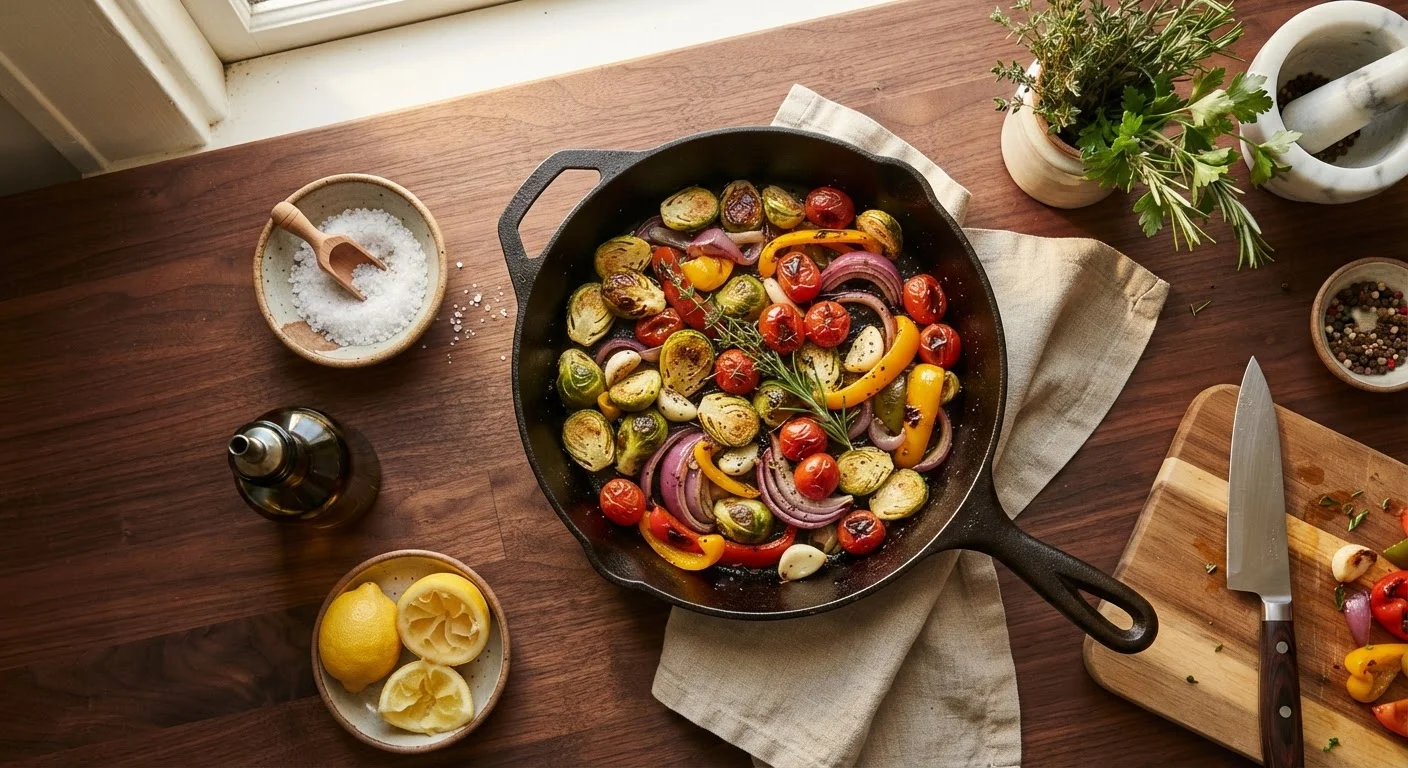
Photo credit: InfoHorizon.net | Access To Informative Content
In this article
Explore how salt, fat, acid, and heat interact to build complex flavor — and how balancing them transforms everyday cooking.
Key Takeaways
- Salt doesn't just make food salty — it suppresses bitterness and amplifies every other flavor.
- Fat carries aroma compounds and creates the mouthfeel that makes food satisfying.
- Acid brightens dishes and provides contrast that prevents flatness.
- Heat is a transformative force: too little leaves food raw, too much destroys delicate flavors.
- Balancing all four elements is what separates a good dish from a great one.
- These principles apply universally — across cuisines, ingredients, and skill levels.
Salt: The Amplifier
Salt is the most fundamental seasoning in cooking, and its job is more nuanced than simply making food taste salty. At the right level, salt suppresses bitterness, heightens sweetness, and amplifies the full range of savory flavors — it makes everything else taste more like itself.
The most common mistake home cooks make isn't oversalting — it's under-salting at the wrong stages. Seasoning pasta water until it tastes like the sea, salting vegetables before roasting, and finishing a dish with a pinch of flaky salt all do different things. Early salting draws out moisture and helps flavors penetrate; late salting adds texture and brightness on the palate.
Different salts behave differently. Fine table salt dissolves quickly and seasons deeply; flaky sea salt adds crunch and a final burst of flavor. Neither is inherently superior — knowing when to use each is the skill.
Season in Layers, Not All at Once
Add salt at multiple stages — when cooking onions, when adding liquid, and again at the end. Each addition does something different: early salt builds depth, mid-cook salt integrates flavor, and a final pinch adds brightness. Tasting as you go is the only way to know where you are.
Fat: The Carrier
Fat does something no other element can: it carries flavor compounds. Many of the aromatic molecules that make food smell and taste complex are fat-soluble, meaning they only fully express themselves when dissolved in fat. This is why blooming spices in oil unlocks their aroma, and why a vinaigrette with more oil tastes richer and more complex than one with less.
Fat also provides mouthfeel — the physical sensation of richness, creaminess, or body that makes food satisfying. Butter stirred into a pan sauce at the end (a technique called monter au beurre) smooths the texture and rounds sharp acidic edges. Olive oil drizzled over roasted vegetables adds lusciousness without heaviness.
The type of fat you choose matters too. Olive oil brings fruitiness; sesame oil adds nuttiness; rendered bacon fat carries smoke. Think of fat as both a cooking medium and a flavoring agent in its own right.
Acid: The Brightener
If your dish tastes flat or one-dimensional, acid is usually what's missing. A squeeze of lemon, a splash of vinegar, or a spoonful of yogurt can transform a dish from dull to vivid in seconds. Acid works by providing contrast — it cuts through richness, sharpens muted flavors, and creates a sense of freshness.
Acid also interacts with other elements. It can soften the perception of saltiness, balance sweetness in glazes, and cut the heaviness of fatty dishes. In marinades, the mild acidity of citrus juice or buttermilk begins to break down proteins on the surface of meat, contributing to tenderness.
Sources of acid vary widely: white wine vinegar, apple cider vinegar, lime juice, tomatoes, fermented ingredients like pickles or miso, and even some wines. Each brings its own flavor alongside the brightness. The skill is knowing which acid suits the dish — lemon for Mediterranean flavors, rice vinegar for Asian profiles, and so on.
For a deeper look at how acidity shapes drink pairings, see pairing drinks with food.
~800
Flavor compounds created by the Maillard reaction
Food science research estimates that the Maillard reaction alone generates hundreds to over 800 distinct flavor and aroma compounds, depending on the ingredients and temperature involved.
4
Universal flavor pillars across all cuisines
Culinary educators consistently identify salt, fat, acid, and heat as the foundational variables present in every world culinary tradition, from French haute cuisine to Southeast Asian street food.
~25%
Reduction in salt needed when acid is added
Food perception studies suggest that acidity can enhance the perception of saltiness, meaning a dish balanced with both may require meaningfully less added salt to taste well-seasoned.
Heat: The Transformer
Heat is the most powerful of the four pillars because it fundamentally changes the chemical structure of food. At high temperatures, two key reactions occur: the Maillard reaction (the browning of proteins and sugars that produces hundreds of savory, roasted, caramelized flavors) and caramelization (the breakdown of sugars into complex, slightly bitter compounds). Both add depth that simply cannot be achieved at low heat.
But heat is also a matter of control. Gentle heat melts collagen in tough cuts into silky gelatin over hours of braising. Moderate heat sautés vegetables while preserving some texture and color. Fierce, dry heat sears a steak and builds a crust. Using too much heat for too long destroys volatile aromatic compounds — that's why you add fresh herbs at the end, not the beginning.
Understanding how to apply heat — and when to pull back — is one of the highest-value skills a home cook can develop. A thermometer, a heavy pan that holds heat evenly, and patience are your best tools.
These principles also support how you construct nutritious, satisfying meals. See our guide to building a balanced plate without counting every calorie for ideas on bringing these elements together in everyday meals.
Heat Destroys Some Flavors — Add Those Last
Volatile aromatic compounds in fresh herbs, citrus zest, and some spices break down quickly under heat. Ingredients like fresh basil, parsley, lemon zest, and finishing spices are best added off the heat or right before serving. Reserve prolonged heat for building base flavors, not for delicate aromatics.
Putting All Four Together
The real power of salt, fat, acid, and heat emerges when you use them in concert. Think of a classic roast chicken: salt seasons the meat and crisps the skin; fat from the skin and any added butter carries herbal aromas and bastes the flesh; heat at high temperature browns the skin via the Maillard reaction; and a squeeze of lemon at serving brightens the rich, savory result.
When a dish is off, use these four pillars as a diagnostic tool. Tastes flat? Try acid or more salt. Feels thin or unsatisfying? Consider fat. Lacks depth? Check your browning — you may need more heat. Too rich or heavy? Acid or a lighter fat may rebalance it.
This framework pairs powerfully with understanding individual ingredients — see our spice rack essentials guide for how common pantry spices work alongside these four pillars to deepen flavor even further.
Frequently Asked Questions

Author
Food Editorial Team
Food Editorial Team is the collective byline for our editorial team and contributor network. Articles published under this byline or an editorial pen name are researched, written, and reviewed according to our editorial standards for clarity, consistency, and independence before publication.
View all articles →