
Certified Pre-Owned Programs: What the Certification Actually Covers
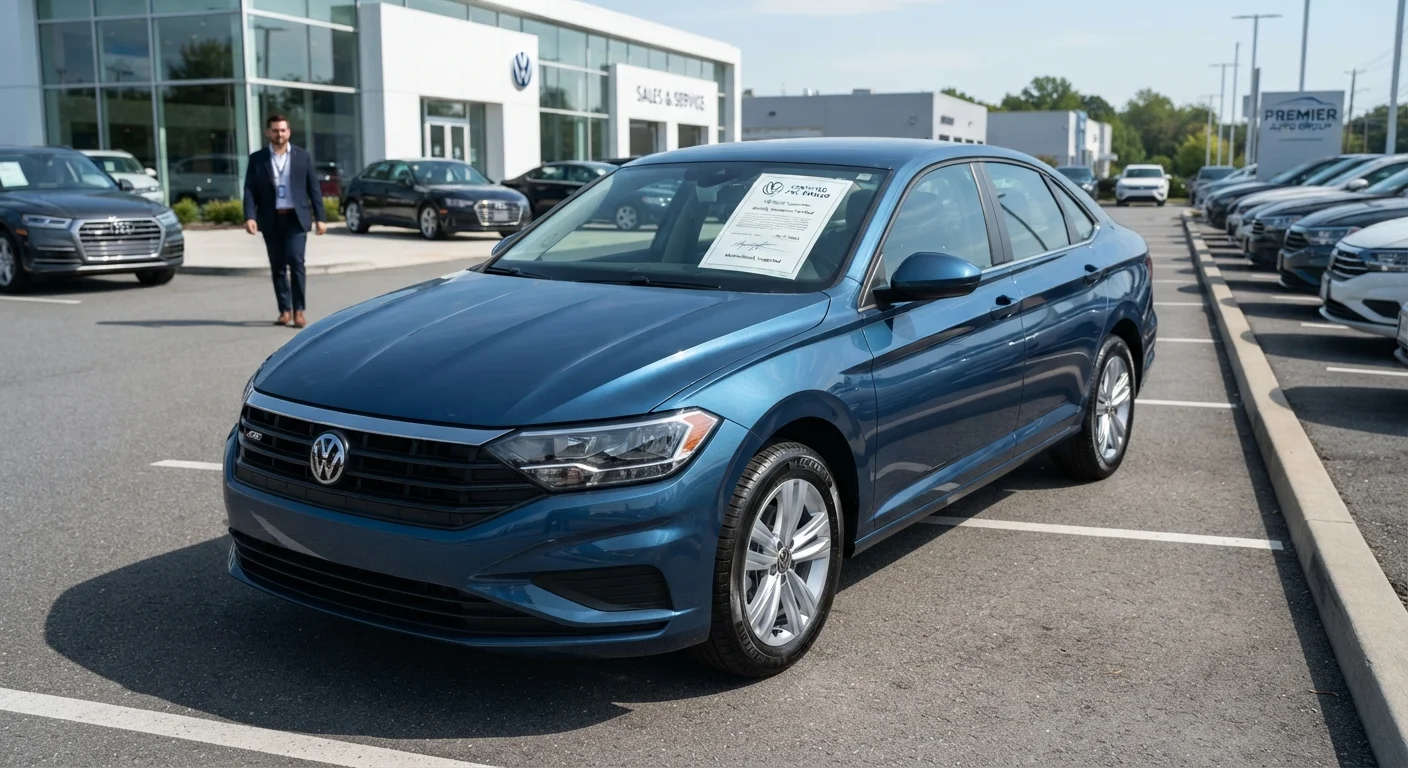
Photo credit: InfoHorizon.net | Access To Informative Content
In this article
CPO sounds reassuring, but programs vary widely. Understand what inspections, warranties, and protections are typically included.
Key Takeaways
- CPO programs differ significantly between manufacturers - no single standard applies to all.
- Manufacturer-backed CPO warranties are generally more comprehensive than dealer-certified alternatives.
- Inspection checklists can range from 100 to over 200 points, but not all points carry equal weight.
- CPO vehicles typically carry a price premium over non-certified used cars.
- Roadside assistance and other perks are common CPO additions, but terms vary widely.
What 'Certified' Actually Means
The term certified pre-owned carries an air of official reassurance, but it does not have a single universal definition. Every manufacturer and many dealerships operate their own CPO programs under their own rules. What binds them is a common structure: a used vehicle undergoes a multi-point inspection, any identified issues are addressed, and the buyer receives some form of warranty coverage as part of the purchase.
Manufacturer-backed CPO programs - run by automakers directly - tend to follow stricter, more standardized criteria. They are typically limited to vehicles within a certain age range (often five to seven years old) and below a mileage ceiling (commonly 60,000 to 80,000 miles). Dealer-certified programs are self-regulated, and the standards can vary significantly from one dealership to another.
For shoppers weighing their options, it helps to compare CPO vehicles alongside the broader new versus used car decision, since warranty coverage and total ownership cost are central to that comparison as well.
Manufacturer vs. Dealer CPO: A Key Distinction
Manufacturer CPO programs are administered and backed by the automaker itself, meaning standards are consistent across all participating dealerships. Dealer-certified programs are created and managed by individual dealers, with no outside standard-setting body. When a vehicle is advertised as simply 'certified,' it is worth clarifying which type of program applies before drawing conclusions about coverage quality.
The Inspection: What the Checklist Covers
CPO inspection checklists can range from roughly 100 to more than 200 individual points. The sheer number can sound impressive, but what matters is which systems are covered and what standard each item is judged against.
Most legitimate manufacturer CPO inspections examine:
- Mechanical systems: Engine, transmission, drivetrain, cooling, and fuel systems
- Safety components: Brakes, tires (tread depth), suspension, steering, and airbag systems
- Electrical systems: Battery, alternator, lights, climate control, and infotainment
- Exterior and structural condition: Frame integrity, glass, body panels, and paint
- Interior condition: Upholstery, controls, and trim
Critically, passing an inspection does not mean the vehicle is flawless - it means it met the program's minimum thresholds at the time of inspection. Asking for a copy of the completed inspection report before signing is a reasonable and advisable step. If a dealer is unwilling to provide it, that is worth noting.
5-7 years
Typical maximum vehicle age for manufacturer CPO eligibility
Most major automaker CPO programs cap eligibility at five to seven model years old, though exact limits vary by brand.
~60,000-80,000 mi
Common mileage ceiling for CPO qualification
Manufacturer CPO programs generally require vehicles to be under a set mileage threshold at the time of certification.
100-200+
Inspection points checked in a typical CPO process
The number of inspection points varies widely by program; the rigor applied to each point matters as much as the total count.
Warranty Coverage: Where Programs Diverge Most
The warranty is the most consequential part of any CPO program, and it is where programs differ most sharply. A typical manufacturer CPO package includes two layers of coverage: the remainder of the vehicle's original factory warranty (if any remains) plus an additional certified warranty that extends coverage further.
Powertrain coverage - protecting the engine, transmission, and drivetrain - is the most common warranty component and tends to last the longest. Comprehensive coverage that mirrors a new-car bumper-to-bumper warranty is less consistent; some programs offer it, others do not, and the exclusions within each vary.
Key questions to get answered in writing before purchase:
- What components are explicitly excluded from the warranty?
- Is the warranty honored at all authorized dealerships, or only the selling dealer?
- Is there a deductible per repair visit?
- Is the warranty transferable if you sell the vehicle?
Warranty add-ons and supplemental products are sometimes offered at signing. Understanding what the CPO warranty already covers - versus what a dealer is pitching as an upsell - helps avoid paying for redundant protection. The add-ons dealerships offer at signing covers this dynamic in more detail.
Always Request the Written Warranty Document
Before agreeing to purchase any CPO vehicle, ask for the complete written warranty terms - not a brochure or verbal overview. Review the exclusions list carefully; this section defines the boundaries of your actual protection. If the documentation is not available at the dealership, that is a meaningful signal about the program's reliability.
Additional Protections and How to Read the Fine Print
Many CPO programs include supplemental benefits beyond the warranty itself. Roadside assistance - covering towing, flat tires, lockout service, and fuel delivery - is a common addition. Some programs also include a short return window, a complimentary vehicle history report, or a loaner car during warranty repairs.
These extras vary by program and are not guaranteed simply because a vehicle is labeled CPO. Read the program documentation, not the sales summary. Specific provisions to look for include:
- Exact duration and mileage limits for each warranty component
- How roadside assistance claims are filed and any usage limits
- Whether rental reimbursement is included during covered repairs
- Any conditions that void the certification (e.g., modifications or accidents post-sale)
Before finalizing any vehicle purchase, it is worth reviewing the questions worth asking before you sign anything. The same careful scrutiny that protects home buyers through inspection contingencies applies here: documentation matters more than verbal assurances.
This article is for general informational purposes only and does not constitute financial or legal advice. Warranty terms, program eligibility, and vehicle conditions vary. Always review written program documentation and consult qualified professionals for decisions specific to your situation.
Frequently Asked Questions

Author
Cars Editorial Team
Cars Editorial Team is the collective byline for our editorial team and contributor network. Articles published under this byline or an editorial pen name are researched, written, and reviewed according to our editorial standards for clarity, consistency, and independence before publication.
View all articles →