
New Car vs. Used Car: What Changes Beyond the Price Tag
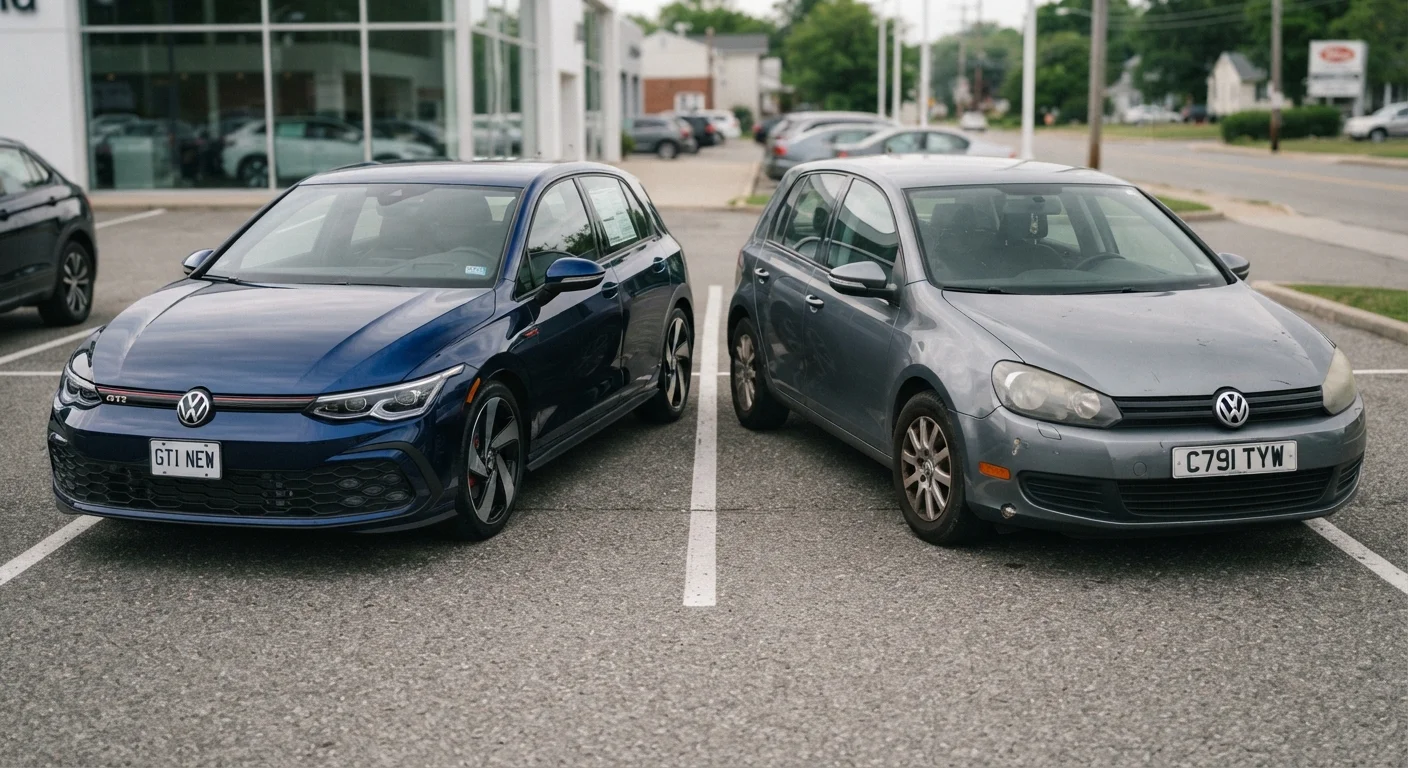
Photo credit: InfoHorizon.net | Access To Informative Content
In this article
Age is just one factor. Compare depreciation, warranty coverage, financing options, and long-term costs side by side.
Key Takeaways
- New cars depreciate fastest in the first two to three years, sometimes losing 20-30% of value quickly.
- Used cars typically carry higher interest rates on auto loans than new vehicles.
- Warranty coverage differs dramatically - new cars include manufacturer warranties; used cars may have none.
- Certified Pre-Owned programs bridge the gap but vary widely in what they actually cover.
- Total cost of ownership - not sticker price alone - determines which option is truly more affordable.
Depreciation: Where the Real Cost Gap Lives
Purchase price is visible. Depreciation is not - but it often determines which choice actually costs more over time. A new vehicle can lose a significant portion of its value in the first two to three years of ownership, simply from being driven off the lot and accumulating miles. That drop has already happened with a used vehicle, meaning you absorb far less of that loss if you sell or trade in later.
That said, depreciation works both ways. A newer used car may still lose value at a meaningful rate, while some new vehicles - particularly those with strong resale reputations - hold value better than average. Neither category is uniformly better; the specific model matters. The key insight is that comparing sticker prices doesn't tell you what either vehicle will be worth in three years.
| Criterion | New Car | Used Car |
|---|---|---|
| Depreciation risk | Highest in first 1-3 years | Prior owner absorbed initial drop |
| Manufacturer warranty | Full coverage included | Often none; CPO adds partial coverage |
| Typical loan APR | Generally lower | Generally higher |
| Insurance cost | Higher (higher replacement value) | Lower (lower replacement value) |
| Safety technology | Latest standard features | Varies by model year |
| Maintenance predictability | High in early years | Lower; depends on age and history |
| Purchase price | Higher entry cost | Lower entry cost |
Warranties, Coverage, and What Happens When Something Breaks
One of the starkest differences between new and used vehicles is warranty coverage. A new car typically comes with a manufacturer's bumper-to-bumper warranty covering most components for a defined period, plus a separate longer-term powertrain warranty on the engine and transmission. If something fails within that window, the manufacturer covers the repair.
Used cars are a different story. Many are sold with no remaining manufacturer warranty at all, transferring all repair risk to the buyer from day one. Dealer warranties, if offered, tend to be limited in scope. Certified Pre-Owned (CPO) programs - offered by manufacturers through franchise dealers - occupy a middle ground: they typically require a multi-point inspection and extend some warranty coverage, though the specifics vary considerably by program. If warranty protection matters to you, understanding exactly what CPO programs cover before signing is essential.
CPO Is Not a Universal Standard
Certified Pre-Owned programs are created and administered by individual manufacturers, meaning coverage terms, inspection checklists, and warranty lengths vary significantly from one brand to another. A CPO label from one automaker may cover far more - or far less - than the same label from a competitor. Always request the specific inspection report and warranty documentation before relying on CPO designation as a purchase factor.
Financing: Rates, Terms, and Hidden Cost Differences
Financing a used car generally costs more in interest than financing a new one, even if the loan amount is lower. Lenders typically offer lower annual percentage rates (APRs) on new vehicles - sometimes significantly lower - because new cars are considered lower-risk collateral. Manufacturer-backed financing promotions can push new-car rates lower still, though those offers usually require strong credit.
Used car loans also tend to carry shorter maximum terms and stricter age/mileage limits, which can raise monthly payments relative to what the lower price might suggest. Running the total interest paid over the life of both loans - not just the monthly payment - gives a more accurate picture. For a broader framework on how purchase decisions interact with long-term financial trade-offs, the principles in renting vs. buying analysis apply usefully here too.
20-30%
Typical new-car value loss in year one
Industry data consistently shows new vehicles experience their steepest depreciation in the first 12 months, making early-year resale or trade-in particularly costly.
1-3%
Typical APR gap between new and used loans
Lenders historically offer lower interest rates on new vehicle loans versus used, reflecting the lower collateral risk of a vehicle with full manufacturer backing.
Long-Term Costs: Maintenance, Insurance, and the Full Picture
Insurance costs generally favor used vehicles: lower replacement value typically means lower comprehensive and collision premiums, though this varies by model, driver profile, and insurer. On the maintenance side, newer vehicles often benefit from longer service intervals and fewer age-related repairs in the early years. Older used vehicles - especially those past 100,000 miles - may require more frequent attention to components like brakes, belts, and suspension parts. If you end up with a high-mileage vehicle, maintenance priorities shift meaningfully after 100,000 miles.
Technology and safety features also factor in. Vehicles manufactured in the last few years may include automatic emergency braking, lane-keeping assist, and blind-spot monitoring as standard equipment - features that may be absent or optional on vehicles from just a few years prior. Depending on how much you value those systems, the gap in safety technology between a new and a five-year-old used vehicle may matter to your decision.
Before committing to either path, walking through the full car-buying process - from budgeting through paperwork - helps ensure no cost category is overlooked. And if assumptions like "dealers won't negotiate on used cars" or "new cars are always overpriced" are shaping your thinking, it's worth reviewing which car-buying beliefs actually hold up.

Author
Cars Editorial Team
Cars Editorial Team is the collective byline for our editorial team and contributor network. Articles published under this byline or an editorial pen name are researched, written, and reviewed according to our editorial standards for clarity, consistency, and independence before publication.
View all articles →