
Traveling with Kids Across State Lines: What Parents Should Think Through
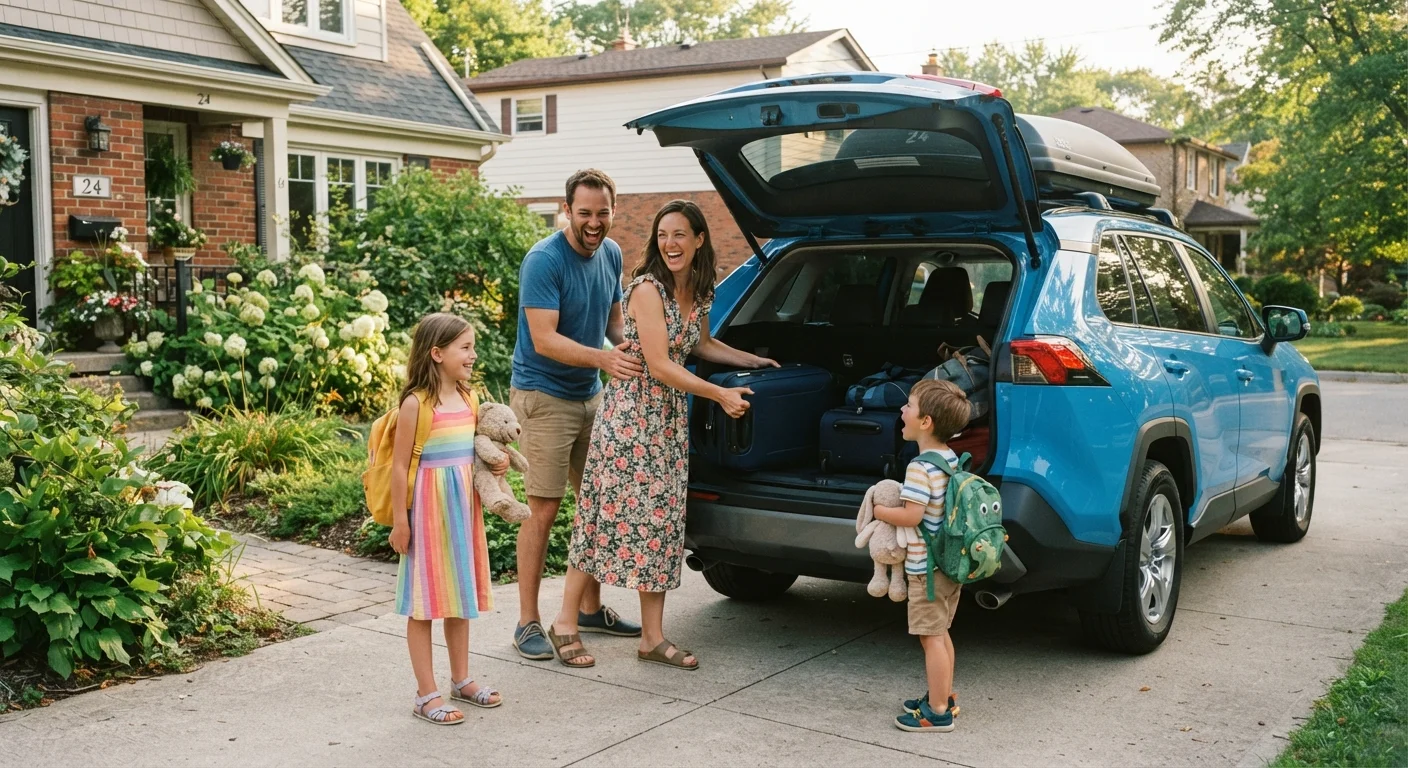
Photo credit: InfoHorizon.net | Access To Informative Content
In this article
A practical planning guide for family travel — covering schedules, documents, activity pacing, and keeping kids comfortable on the road.
Key Takeaways
- Keep copies of key documents — insurance cards, medical records, and ID — accessible before departure.
- Build buffer time into every driving day; kids need more frequent stops than adults expect.
- Packing snacks, entertainment, and comfort items separately from main luggage reduces stress mid-trip.
- Involve children in the planning process to boost cooperation and excitement during the journey.
- Know the basics of each state you'll enter, including rest stop frequency and child car seat laws.
Why Family Road Trips Deserve Their Own Planning Layer
Crossing state lines with kids in tow is genuinely exciting — and genuinely different from adult-only travel. The logistics of keeping children comfortable, engaged, and safe across long drives require an extra layer of planning that goes beyond booking hotels and mapping routes. When the planning is solid, the trip is memorable for the right reasons.
For a broad look at every moving part of domestic road travel, see our full road trip planning guide. This article focuses specifically on what changes when kids are part of the equation.
Documents and Logistics You Don't Want to Scramble For
Before departure, gather key documents into one easy-to-reach folder or digital wallet. This includes health insurance cards, pediatrician contact information, a brief medical history for any child with ongoing conditions, and a copy of any custody or legal travel authorization documents if applicable. Some states and lodging operators may ask for ID for all travelers — it's rare domestically, but worth being prepared.
Also confirm that your vehicle's registration and insurance are current before you cross any state line. If you're driving a rental, verify that the rental agreement permits multi-state travel — most do, but some have geographic restrictions.
Scheduling for Small Passengers
One of the most common family road trip mistakes is building an adult pace into a kid-friendly trip. Children — especially under age ten — need movement breaks roughly every 90 minutes to two hours. Plan your daily driving distances accordingly, and use rest stops as mini-adventures rather than inconveniences.
Aligning long driving stretches with nap times, especially for toddlers, is one of the most effective ways to reduce in-car friction. Early morning departures also tend to work well — kids are calm, roads are quieter, and you bank miles before boredom sets in. For complex, multi-stop itineraries, our multi-city trip planning guide walks through sequencing stops so the route flows naturally.
Keeping Kids Comfortable and Engaged on Long Drives
Entertainment planning is as important as route planning. Load tablets with downloaded content before you leave — streaming reliability varies significantly across rural stretches. Audiobooks and family-friendly podcasts work well for mixed-age groups. Physical activities like travel bingo, road trip journals, or simple magnetic board games add tactile variety without making a mess.
Pack a dedicated "car bag" per child containing their chosen snacks, one small toy, headphones, and a comfort item. Keeping this bag separate from main luggage means it's accessible without stopping. Snacks with low sugar and high protein tend to stabilize moods better than convenience-stop candy. For a broader look at pre-departure habits that pay off, see what experienced travelers do before every trip.
Safety, State Laws, and Knowing What Changes at the Border
Car seat laws vary by state — age, weight, and height thresholds for forward-facing seats, booster seats, and seatbelt-only requirements differ across jurisdictions. Always meet the most protective standard, which is typically the child's home state or the strictest state on your route. Verify current requirements through each state's official DMV or transportation department website before you travel.
Rest stop frequency also varies — some rural stretches of certain states can go 50 miles or more between facilities. Check route maps in advance and note where gas stations cluster. Families traveling through remote areas like parts of the Southwest will want a fuller tank and snack reserves at all times. Our multi-stop US trip checklist is a practical tool for tracking these state-by-state variables.
This article provides general travel planning information and is not legal or medical advice. Always verify car seat laws, entry requirements, and health guidance with official state and government sources before traveling.

Author
Travel Editorial Team
Travel Editorial Team is the collective byline for our editorial team and contributor network. Articles published under this byline or an editorial pen name are researched, written, and reviewed according to our editorial standards for clarity, consistency, and independence before publication.
View all articles →