
Security Deposits: How They Work and What Landlords Can Legally Deduct
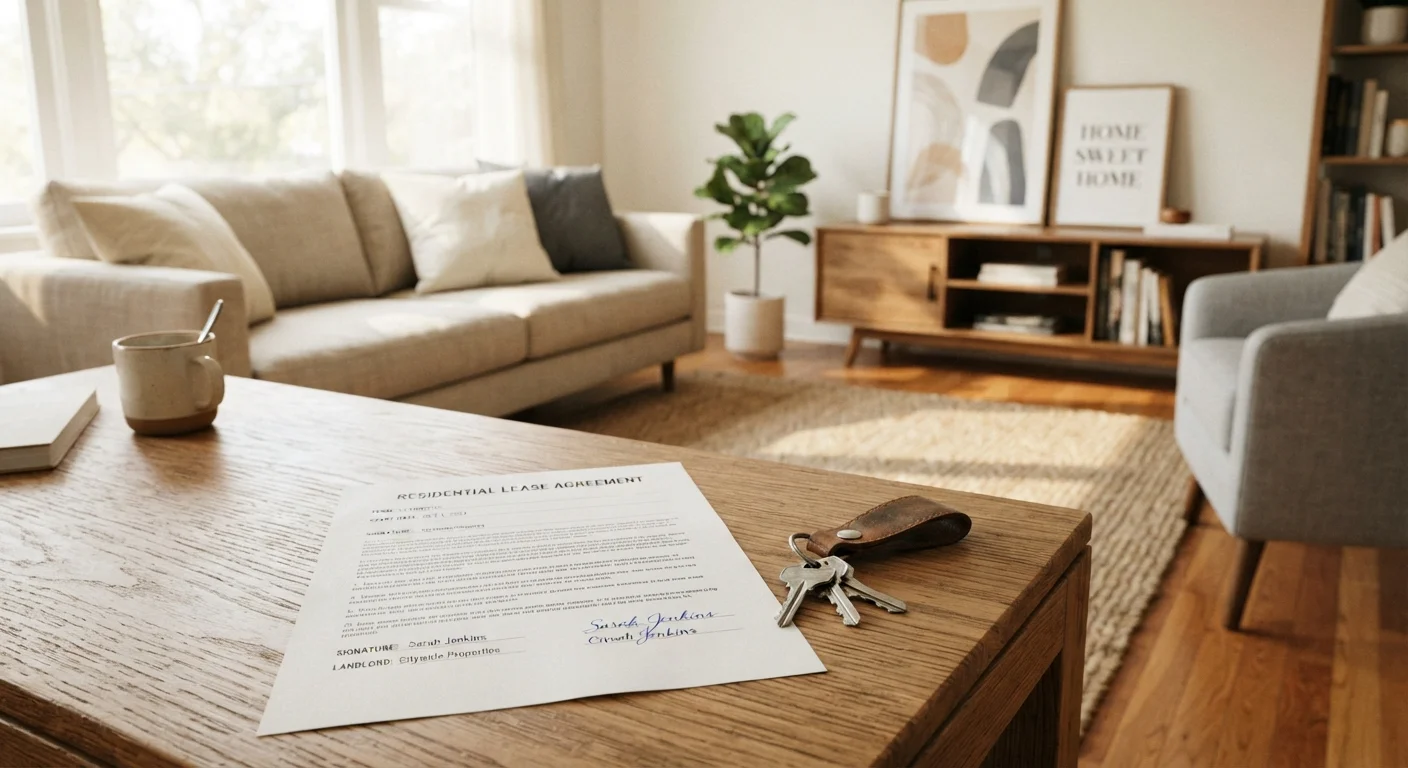
Photo credit: InfoHorizon.net | Access To Informative Content
In this article
Learn how security deposits are regulated, what landlords can and cannot withhold, and how to protect yours when you move out.
Key Takeaways
- Landlords can only deduct for damages beyond normal wear and tear, not routine aging of the property.
- Most states require landlords to return deposits — with an itemized list of deductions — within 14 to 30 days of move-out.
- A move-in walkthrough with dated photos is the single most effective way to protect your deposit.
- Wrongfully withholding a deposit can expose landlords to penalties of two to three times the deposit amount in many states.
- Security deposit limits are set by state law, commonly ranging from one to two months' rent.
What Landlords Can and Cannot Deduct
The most common source of security deposit disputes is disagreement over what qualifies as deductible damage. The law draws a clear line between damage caused by a tenant and normal wear and tear — and landlords may only deduct for the former.
Landlords generally may deduct for:
- Large holes in walls from mounted TVs or shelving
- Stains on carpets or flooring from spills or pet accidents
- Broken fixtures, doors, or windows caused by misuse
- Unauthorized alterations (painting walls a non-approved color, removing fixtures)
- Unpaid rent or utility bills owed under the lease
Landlords generally cannot deduct for:
- Minor scuffs or small nail holes from normal picture hanging
- Carpet wear from regular foot traffic
- Faded paint from sunlight exposure
- Loose door hinges or worn-out locks from ordinary use
- Any pre-existing damage documented at move-in
See our guide to residential lease clauses for how your specific lease terms may define damage and deposit conditions.
Document Everything Before You Unpack
On your very first day in the unit, walk through the entire apartment with your phone camera before placing any of your belongings. Photograph every wall, floor, appliance, and surface. Date-stamp each photo and email them to yourself — creating a cloud-backed, timestamped record that is difficult to dispute months or years later.
State Laws That Govern Security Deposits
Security deposits are regulated at the state level, meaning there is no single federal rule. The key areas where states differ include:
- Deposit caps: Many states limit deposits to one or two months' rent. California, for instance, capped non-furnished units at two months' rent for most tenancies as of recent legislation.
- Return deadlines: Most states require return within 14 to 30 days of move-out. Missing this window often voids the landlord's right to any deductions.
- Itemized statements: Nearly all states require landlords to provide a written, itemized list of deductions with receipts or repair estimates.
- Interest requirements: Some states, including New Jersey and Massachusetts, require landlords to hold deposits in interest-bearing accounts and credit that interest to tenants annually.
- Penalties for wrongful withholding: Many states allow tenants to sue for two or three times the wrongfully withheld amount in small claims court.
Security Deposit Laws Vary Widely by State
What's true in Texas may not apply in New York. Some states require landlords to hold deposits in separate escrow accounts; others allow them to be commingled with general funds. A few states require annual interest payments to tenants. Always look up your specific state's landlord-tenant statute, available through your state legislature's website or a local tenant rights nonprofit, before assuming any rule applies to you.
Before signing any lease, look up your state's specific tenant protection statutes or contact a local tenant rights organization. The rules where you rent directly affect how much leverage you have in a deposit dispute.
How to Protect Your Deposit From Day One
The steps you take before and during your tenancy carry as much weight as anything you do at move-out. A documented record of your unit's condition is your primary defense if a landlord attempts an improper deduction.
~50%
Renters who report deposit disputes
Surveys by tenant advocacy organizations consistently find that roughly half of renters encounter some difficulty recovering their full security deposit after moving out.
2–3×
Penalty multiplier in many states
A majority of U.S. states allow tenants to sue for double or triple the wrongfully withheld deposit amount, plus court costs, when landlords violate deposit return laws.
14–30 days
Typical deposit return window
Most states set the return deadline at 14 to 30 days after move-out; missing it is the most common landlord error in deposit disputes.
Key protective steps:
- Complete a move-in inspection: Walk through every room with the landlord or their agent and document all pre-existing damage in writing. Our apartment walkthrough checklist covers exactly what to look for and how to document it.
- Take dated photos and video: Photograph every wall, floor, appliance, and fixture. Store copies in the cloud so they can't be disputed or lost.
- Get the move-in report signed: Both you and the landlord should sign the condition report. Keep a copy for the duration of your tenancy.
- Request receipts for any repairs: If you report a maintenance issue in writing and it isn't fixed, that paper trail matters if the landlord later tries to attribute deterioration to your neglect.
- Give proper written notice: Moving out without proper notice — as required by your lease — can cost you more than just your deposit.
Also review your lease carefully before signing. The questions to ask your landlord before committing include deposit-specific inquiries that can reveal how a landlord handles disputes.
What to Do If Your Deposit Is Withheld Unfairly
If your landlord withholds your deposit or sends an itemized statement you believe is inaccurate, you have concrete options — and the law typically favors tenants who have documented their tenancy carefully.
“Tenants often don't realize they have significant legal leverage in deposit disputes — but only if they documented the unit's condition when they moved in. That documentation is everything.”
— National Housing Law Project, Nonprofit organization focused on advancing housing rights for low-income tenants in the United States
Steps to take if you dispute a deduction:
- Review the itemized statement: Compare each deduction against your move-in documentation, photos, and your lease terms. Identify which charges lack justification or documentation.
- Send a written demand letter: Request the return of disputed funds in writing, citing your state's security deposit statute and the return deadline. Keep a copy and send it via certified mail.
- File in small claims court: Most security deposit disputes fall within small claims court limits (commonly $5,000 to $10,000, depending on the state). No attorney is required, and the filing fee is typically low. Bring all your documentation: the lease, move-in photos, the itemized statement, and your demand letter.
Tenants who share a lease should be aware that deposit disputes in joint tenancy situations can be more complex. The guide to renting with roommates explains how shared deposit liability works and how to protect yourself.
Don't be deterred by common misconceptions. The myths about renting article addresses widespread misconceptions that lead tenants to accept unlawful deductions they could otherwise challenge.
This article provides general informational guidance about security deposits and is not legal advice. Tenant-landlord laws vary by state and locality. Consult a licensed attorney or your local tenant rights organization for guidance specific to your situation.
Frequently Asked Questions

Author
Real Estate Editorial Team
Real Estate Editorial Team is the collective byline for our editorial team and contributor network. Articles published under this byline or an editorial pen name are researched, written, and reviewed according to our editorial standards for clarity, consistency, and independence before publication.
View all articles →