
Every Clause in a Residential Lease, Explained in Plain English
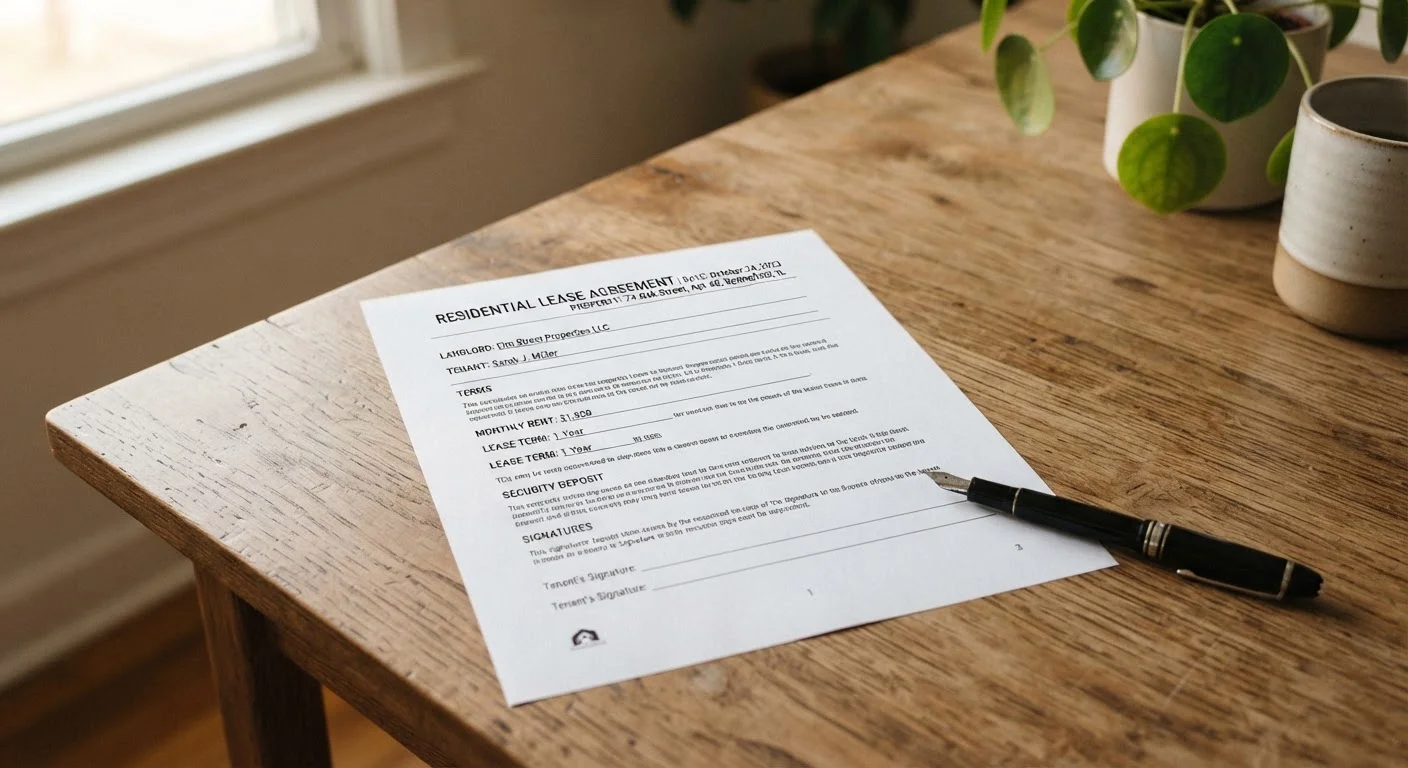
Photo credit: InfoHorizon.net | Access To Informative Content
In this article
From security deposit terms to early termination fees, here's what the standard lease clauses actually mean for you as a renter.
Why Reading Every Clause Matters
A residential lease is a legally binding contract — once you sign, you're held to its terms whether you read them or not. Yet most renters skim past dense paragraphs, trusting that standard leases are uniformly fair. They aren't. Clauses vary widely by landlord, property management company, and state law, and a single overlooked provision can cost you hundreds of dollars or restrict your rights in ways you never anticipated.
This reference breaks down the most common lease clauses in plain English so you know exactly what you're agreeing to. For a broader look at the renting process from the start, see our guide for first-time renters.
| Typical Lease Length | 12 months (fixed-term) |
| Common Security Deposit Range | 1–2 months' rent |
| Deposit Return Window (most states) | 14–30 days after move-out |
| Typical Notice to Vacate Required | 30–60 days before lease end |
| Late Fee Enforceability | Varies by state; many cap the amount |
Core Financial Clauses
Rent Amount and Due Date: This clause specifies your monthly rent, the day it's due (typically the 1st), and how payment must be made. Note whether the lease distinguishes between the due date and the grace period end date — late fees can trigger the moment the grace period expires.
Late Fees: Landlords may charge a flat fee or a percentage of monthly rent for late payment. Many states cap late fees by law, so a clause demanding 10% of rent may actually be unenforceable in your jurisdiction. Research your state's limits before signing.
Security Deposit: Most leases require one to two months' rent upfront as a security deposit, held against damages or unpaid rent. Critically, look for language about what constitutes a deductible damage versus normal wear and tear — landlords generally cannot deduct for routine aging of paint, carpets, or fixtures. Most states require landlords to return the deposit within 14–30 days of move-out with an itemized list of any deductions.
Rent Increases: Fixed-term leases lock in your rent for the lease period. Month-to-month leases typically allow increases with proper written notice, usually 30 days. Learn more about how these structures differ in our comparison of month-to-month and fixed-term leases.
Security Deposit
A sum of money paid by the tenant at lease signing, held by the landlord as financial protection against unpaid rent or damage beyond normal wear and tear. Most states regulate how and when it must be returned.
Normal Wear and Tear
The expected, gradual deterioration of a rental unit through ordinary use — such as fading paint or worn carpet — for which a landlord generally cannot make deductions from a security deposit.
Joint and Several Liability
A legal concept in co-signed leases where each tenant is individually responsible for the full rent obligation, regardless of agreed-upon splits among roommates.
Grace Period
A window of time after the rent due date during which payment can be made without triggering a late fee. Grace periods are not legally required in all states, so they vary by lease.
Subletting
Renting your leased unit to another person while you remain responsible to the landlord under the original lease. Most leases require written landlord approval before subletting is permitted.
Early Termination Clause
A lease provision that outlines the penalty or process for ending a fixed-term lease before its expiration date, often requiring payment of one to two months' rent or continued liability until re-leasing.
Occupancy, Maintenance, and Use Clauses
Occupancy Limits: This clause names who is authorized to live in the unit. Adding an unlisted occupant — even a partner or family member — can be grounds for lease termination in some agreements. If your situation may change, discuss it with your landlord before signing.
Pet Policy: Pet clauses specify whether animals are allowed, what species or sizes qualify, and whether a separate pet deposit or monthly pet fee applies. Note that pet deposits and pet fees are legally distinct in many states — a deposit is refundable; a fee typically is not.
Maintenance Responsibilities: Leases divide upkeep duties between landlord and tenant. Landlords are generally required to maintain habitable conditions — working heat, plumbing, and structural integrity. Tenants are usually responsible for keeping the unit clean and reporting problems promptly. Failure to report a leak, for example, could make you liable for resulting water damage.
Alterations Clause: Most leases prohibit significant changes — painting walls, installing shelving, or replacing fixtures — without written landlord approval. Unauthorized alterations can result in deductions from your security deposit.
Your broader legal protections as a renter go beyond what the lease says. Our overview of tenant rights every American renter should know covers habitability standards, anti-retaliation laws, and fair housing protections.
State Law Can Override Lease Terms
Even if a clause appears in a signed lease, it may be unenforceable if it conflicts with state or local tenant protection law. For example, a lease that waives a landlord's duty to maintain habitable conditions is void in most states. Always check your state's landlord-tenant statutes — many state attorney general offices publish free renter guides online.
Termination, Subletting, and Joint Tenancy Clauses
Early Termination: Breaking a fixed-term lease early typically triggers a penalty — commonly one to two months' rent — or liability for rent until the unit is re-leased. Some leases include a military or domestic violence exception that allows early exit without penalty under specific documented circumstances.
Renewal and Notice Requirements: Many leases auto-renew unless you provide written notice 30–60 days before the end date. Missing that window can lock you into another full term or convert your lease to month-to-month — read this clause carefully.
Subletting: A subletting clause governs whether you can rent your unit to someone else temporarily. Most leases prohibit subletting without written landlord consent. Violating this clause is a common reason tenants face eviction proceedings.
Joint and Several Liability: If you're signing with roommates, this clause means each person is individually responsible for the entire rent, not just their share. If a roommate doesn't pay, the landlord can pursue any or all tenants for the full balance. Our article on renting with roommates explains how to structure a separate roommate agreement to protect yourself.
This article is for general informational purposes only and does not constitute legal advice. Lease laws vary significantly by state and locality. Consult a qualified attorney or local tenant advocacy organization for guidance specific to your situation.

Author
Real Estate Editorial Team
Real Estate Editorial Team is the collective byline for our editorial team and contributor network. Articles published under this byline or an editorial pen name are researched, written, and reviewed according to our editorial standards for clarity, consistency, and independence before publication.
View all articles →