
Reading a Room: How to Spot Water Damage Before It Spreads
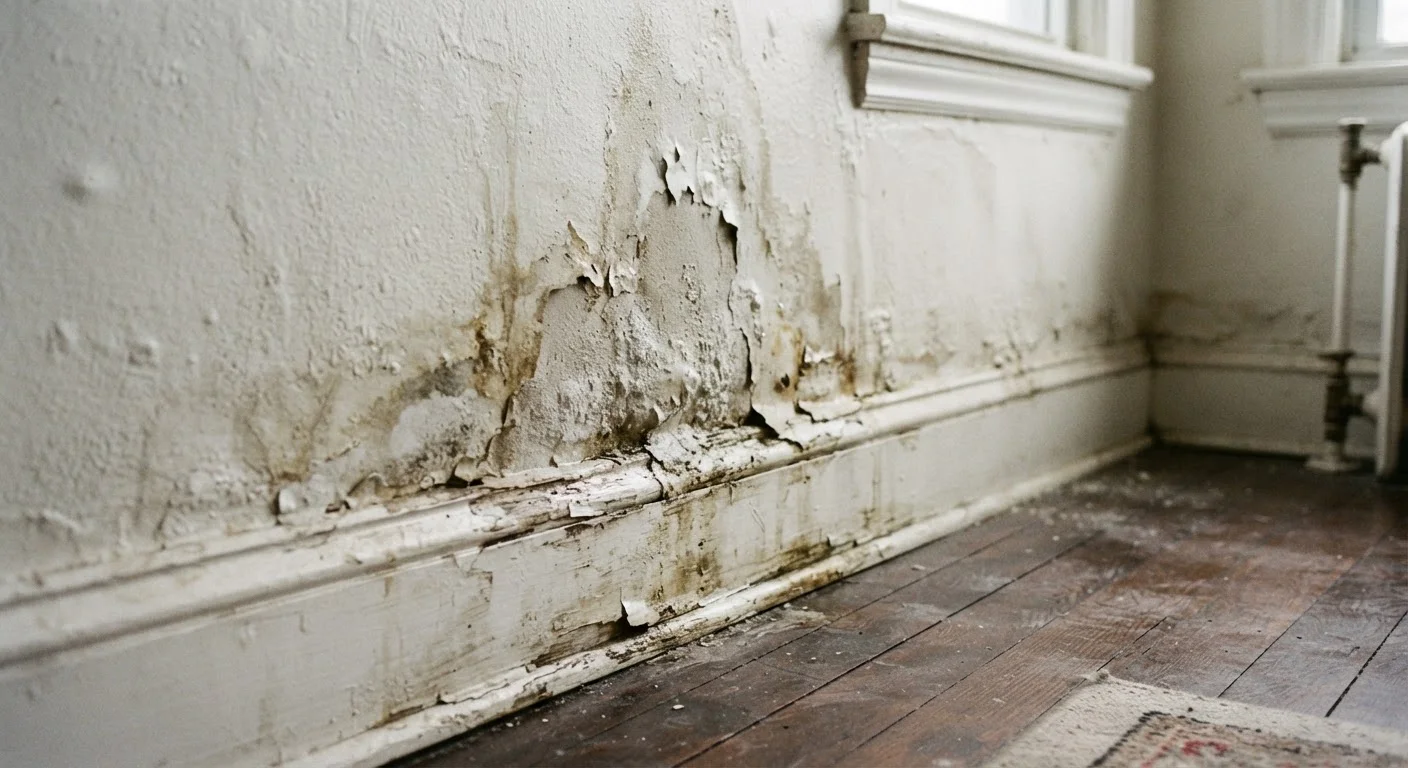
Photo credit: InfoHorizon.net | Access To Informative Content
In this article
Stains, soft spots, and musty odors can signal serious moisture problems. Learn the visual and tactile clues to catch water damage early.
Key Takeaways
- Water damage is often visible through stains, bubbling paint, or warped surfaces long before a leak becomes obvious.
- Musty odors are a reliable early indicator of hidden moisture, even when no visible damage is present.
- Basements, bathrooms, and areas around windows are the highest-risk zones in most homes.
- Early detection dramatically reduces repair costs and limits the risk of mold growth.
- Some moisture problems require a licensed professional to assess and repair safely.
Why Early Detection Matters
Water damage is one of the most expensive and disruptive problems a homeowner can face — and it rarely announces itself loudly. A slow drip behind drywall or a hairline gap in window flashing can saturate structural wood, corrode fasteners, and invite mold for months before you notice anything at the surface. By the time you see the stain, the damage behind it has often already spread.
The good news: water leaves clues. Walls, ceilings, floors, and fixtures communicate moisture stress through color, texture, smell, and feel. Learning to read those signals turns a reactive, costly repair into a manageable early fix. This checklist walks you room by room so you can conduct a thorough audit on your own schedule — no special training required.
If you're evaluating a home you're considering purchasing, this checklist pairs well with a final walk-through checklist to help you leave nothing unexamined. And if you've already found damage, understand that delaying action carries real financial consequences — see what deferred maintenance actually costs homeowners before deciding to wait.
When to Stop and Call a Professional
If you find visible mold covering an area larger than roughly 10 square feet, dark staining near electrical panels or ceiling fixtures, or evidence of water damage in structural beams or joists, stop your inspection and contact a licensed contractor or certified mold remediation specialist. These situations can pose health and safety risks that go beyond DIY assessment. Do not attempt to remove large mold colonies yourself without professional guidance.
What You'll Need for the Audit
You don't need professional equipment to spot most water damage warning signs. A few simple tools will improve your ability to detect problems in dim or hard-to-reach spaces.
Flashlight or headlamp
Illuminates dark corners, under-sink cabinets, and basement areas where water damage is easy to miss.
Flat-head screwdriver
Used to gently probe soft or discolored wood around windows and baseboards to assess rot depth.
Smartphone camera
Documents findings with date-stamped photos to track changes over time or share with a contractor.
Moisture meter
Provides a numeric moisture reading in walls and floors, removing guesswork about whether material is truly wet.
Notepad or inspection form
Records room-by-room findings in an organized format so nothing is forgotten and issues can be prioritized.
Work methodically from top to bottom in each room — ceiling first, then walls, then floor. This order mirrors how water typically travels by gravity and helps you trace damage back toward its likely source.
The Water Damage Inspection Checklist
Use this checklist across every room in your home. Pay extra attention to bathrooms, kitchens, basements, laundry areas, and any room with exterior-facing walls or windows — these are the most common entry points and accumulation zones for moisture.
Ceilings and Upper Walls
Walls and Windows
Floors and Baseboards
Bathrooms and Kitchens
Basement and Utility Areas
Musty Smell Without Visible Damage
A persistent musty or earthy odor is one of the most reliable signs of hidden moisture, even when walls and floors look clean. Mold can grow inside wall cavities, under flooring, and above ceiling tiles without breaking through the surface. If a room smells damp despite appearing dry, treat it as a red flag and investigate further — or have a professional conduct a moisture assessment.
Once you've completed your walkthrough, note any findings in writing and photograph everything. If you're unsure whether a finding is cosmetic or structural, consult a licensed home inspector or contractor. You can also cross-reference findings with a home inspection report guide to better interpret professional assessments.

Author
Home & Garden Editorial Team
Home & Garden Editorial Team is the collective byline for our editorial team and contributor network. Articles published under this byline or an editorial pen name are researched, written, and reviewed according to our editorial standards for clarity, consistency, and independence before publication.
View all articles →