
Fiber: The Nutrient Most Americans Aren't Getting Enough Of
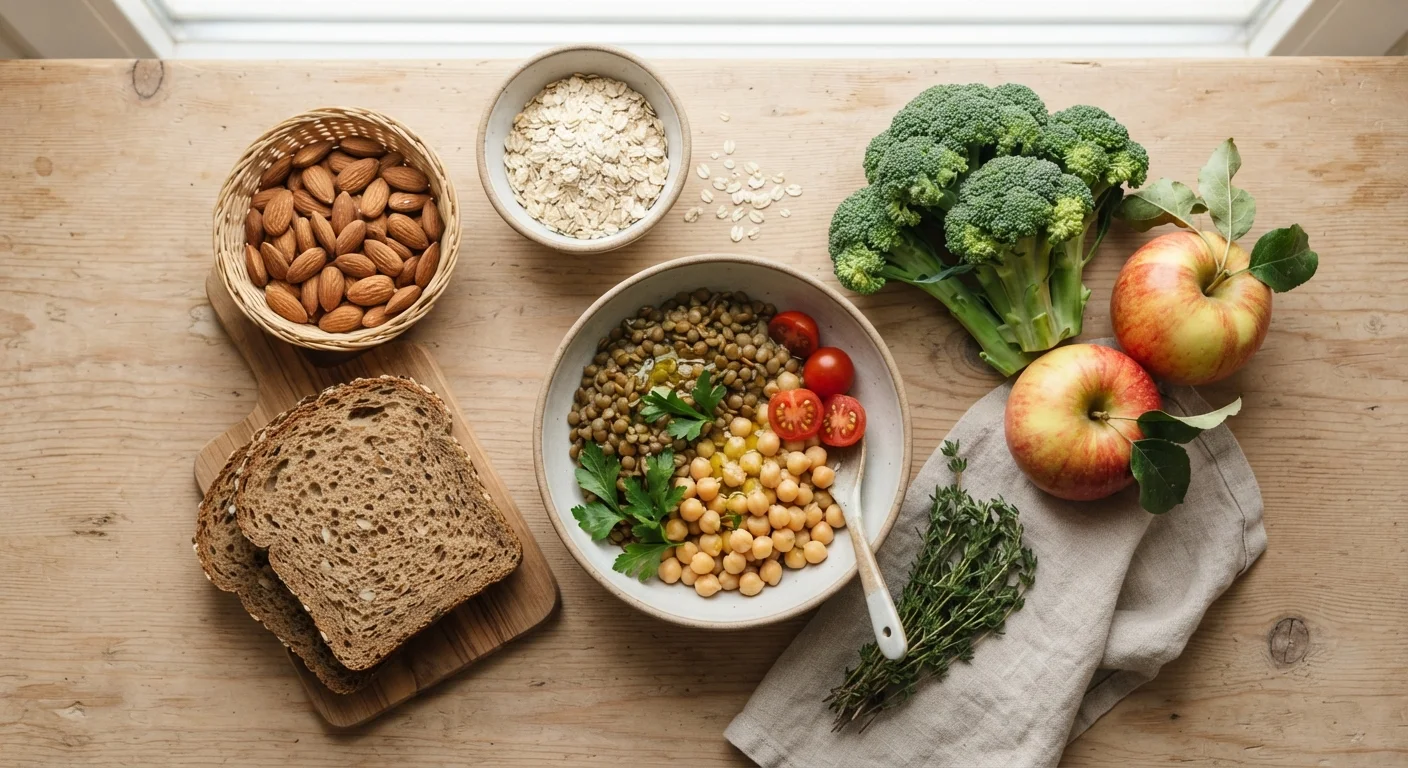
Photo credit: InfoHorizon.net | Access To Informative Content
In this article
Find out what dietary fiber does, why most people fall short, and which foods can help close the gap.
Key Takeaways
- Most American adults consume only about half the recommended daily fiber intake.
- Fiber supports digestive regularity, blood sugar control, cholesterol levels, and long-term heart health.
- Soluble and insoluble fiber have different functions — a varied plant-based diet provides both.
- Whole grains, legumes, vegetables, and fruits are among the most fiber-dense foods available.
- Increasing fiber intake gradually, alongside adequate hydration, helps avoid digestive discomfort.
Why Fiber Is Classified as a Nutrient of Public Health Concern
The U.S. Dietary Guidelines have repeatedly flagged dietary fiber as a nutrient of public health concern — a designation reserved for nutrients that most Americans consistently under-consume, with measurable consequences for population health. The data bear this out: national nutrition surveys indicate that average fiber intake among American adults hovers around 15 grams per day, well short of established recommendations.
The gap matters because fiber is tied to several critical health functions: digestive regularity, blood sugar management, cardiovascular health, and even the composition of the gut microbiome. Understanding what fiber actually does — and why most people don't get enough of it — is a practical first step toward closing that gap.
~15g
Average daily fiber intake for U.S. adults
National dietary surveys consistently show average American fiber consumption falls well below the recommended 25–38 grams per day.
95%
Americans not meeting fiber recommendations
Research published in the American Journal of Lifestyle Medicine estimated that approximately 95% of Americans do not meet daily fiber intake guidelines.
10–15g
Typical fiber intake in 1800s U.S. diets
Estimates of pre-industrialized American diets suggest fiber intake was significantly higher before the widespread adoption of refined grain processing.
Soluble vs. Insoluble Fiber: Two Types, Two Functions
Not all fiber works the same way. The two main categories — soluble and insoluble — have distinct mechanisms in the body, and ideally your diet includes both.
- Soluble fiber dissolves in water to form a viscous gel in the digestive tract. This slows the absorption of sugar and can help moderate blood glucose spikes after meals. It also binds to cholesterol particles, supporting their removal from the body. Oats, barley, apples, citrus, and legumes are rich in soluble fiber.
- Insoluble fiber does not dissolve in water. Instead, it adds physical bulk to stool and accelerates movement through the intestines, promoting regular bowel movements and reducing the risk of constipation. Whole wheat products, bran, nuts, and many vegetables are primary sources.
Most whole plant foods contain a blend of both types, which is one reason dietary variety matters more than focusing on any single food. You can learn how to identify fiber content on packaged foods in our guide to reading a nutrition label.
Fiber Content on Nutrition Labels
The Nutrition Facts panel on packaged foods lists "Dietary Fiber" as a sub-item under Total Carbohydrates, shown in grams per serving. Some labels also break out soluble and insoluble fiber separately. When comparing products, checking this line is one of the quickest ways to identify more fiber-dense options in any category.
Health Benefits Supported by Research
The evidence base for fiber's health benefits is robust and spans multiple body systems:
- Cardiovascular health: Soluble fiber has been consistently associated with modest reductions in LDL (low-density lipoprotein) cholesterol. Major health organizations recognize adequate fiber intake as part of a heart-healthy dietary pattern.
- Blood sugar regulation: By slowing glucose absorption, fiber-rich meals produce a more gradual rise in blood sugar, which is particularly relevant for people managing or at risk for type 2 diabetes.
- Digestive health: Insoluble fiber reduces transit time through the colon, lowering exposure to potentially harmful compounds and supporting regularity.
- Gut microbiome: Certain fibers — known as prebiotics — selectively feed beneficial bacteria in the large intestine, supporting a diverse and healthy microbial community.
“Diets rich in dietary fiber have consistently been associated with reduced risk of cardiovascular disease, type 2 diabetes, and certain digestive conditions. The evidence supports fiber as one of the most important dietary components for long-term health.”
— Dietary Guidelines Advisory Committee, Federal nutrition advisory body, Dietary Guidelines for Americans scientific report
It's worth noting that while the associations between fiber and these health outcomes are well-established in population research, fiber is one component of an overall dietary pattern. Fad diets that eliminate plant food groups often inadvertently cut fiber — one of several reasons they tend to underperform long-term, as explored in our article on why fad diets keep failing.
Practical Ways to Increase Your Fiber Intake
The most effective approach to eating more fiber is shifting toward whole, minimally processed plant foods — not reaching for supplements first. Here are concrete strategies:
- Swap refined grains for whole grains. Choose whole wheat bread, brown rice, oatmeal, or barley in place of white bread, white rice, or refined pasta.
- Add legumes regularly. Lentils, black beans, chickpeas, and kidney beans are among the most fiber-dense foods available and work in soups, salads, and grain bowls.
- Keep the skin on fruits and vegetables. The skin of apples, pears, and potatoes contains a meaningful portion of their fiber content.
- Snack on nuts and seeds. Almonds, chia seeds, and flaxseeds deliver fiber alongside healthy fats.
- Don't overlook vegetables at every meal. Broccoli, Brussels sprouts, carrots, and leafy greens all contribute to daily fiber totals.
Increase Fiber Gradually to Avoid Discomfort
If your current diet is low in fiber, adding large amounts abruptly can cause bloating, gas, and cramping. Aim to increase intake over two to four weeks, adding one or two new fiber-rich foods at a time. Drinking more water alongside the increase also helps your digestive system adjust smoothly.
One often-overlooked factor: fiber and hydration work together. As fiber absorbs water in the digestive tract, adequate fluid intake helps everything move smoothly. For a deeper look at how hydration interacts with overall nutrition, see our piece on hydration and nutrition.
This article is for informational purposes only and is not a substitute for personalized medical or nutritional advice. Consult a qualified healthcare professional or registered dietitian before making significant changes to your diet, especially if you have a medical condition.
Frequently Asked Questions

Author
Health Editorial Team
Health Editorial Team is the collective byline for our editorial team and contributor network. Articles published under this byline or an editorial pen name are researched, written, and reviewed according to our editorial standards for clarity, consistency, and independence before publication.
View all articles →