
Mindfulness vs. Meditation: Clearing Up the Confusion
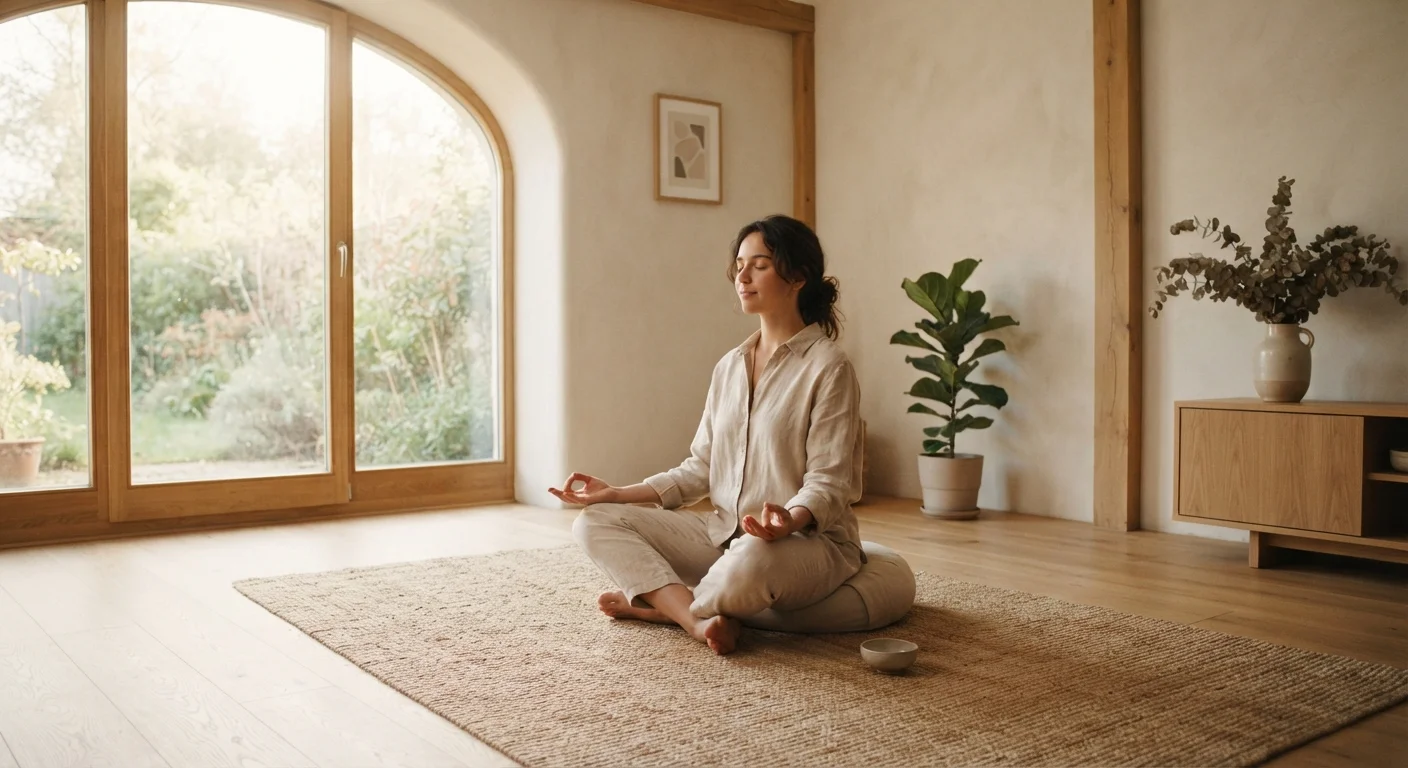
Photo credit: InfoHorizon.net | Access To Informative Content
In this article
Many people use these terms interchangeably, but they describe different practices. Here's how they compare and when each is most useful.
Key Takeaways
- Mindfulness is a quality of awareness; meditation is a formal practice used to cultivate it.
- Mindfulness can be applied anytime — while eating, walking, or working — without setting aside extra time.
- Meditation typically involves a scheduled session with a specific technique, such as focused breathing or body scans.
- Both practices are backed by research linking them to reduced stress, anxiety, and improved focus.
- The two are complementary — regular meditation can deepen everyday mindfulness, and vice versa.
Two Terms, One Common Mix-Up
Ask ten people what mindfulness and meditation mean, and you will likely get ten overlapping but subtly different answers. Both words appear constantly in wellness conversations, often as if they were synonyms. They are not — and understanding the distinction can help you choose the right tool for your mental well-being.
Think of it this way: mindfulness is a quality of attention, while meditation is a practice — a deliberate activity designed to train that quality, among other things. You can be mindful without meditating, and you can meditate using techniques that go beyond mindfulness alone.
This distinction matters practically. If you believe you must sit quietly for 20 minutes to experience mindfulness, you may skip it entirely on a busy day. If you think any moment of calm equals meditation, you may miss out on the structured benefits formal practice offers. For a broader look at how these tools fit into overall mental health, see our comprehensive mental well-being overview.
What Mindfulness Actually Means
Mindfulness refers to the practice of paying deliberate, non-judgmental attention to the present moment — noticing your thoughts, feelings, and physical sensations without reacting automatically. It is rooted in Buddhist tradition but has been studied and adapted extensively in Western clinical psychology, most notably through Mindfulness-Based Stress Reduction (MBSR), developed at the University of Massachusetts Medical School.
The key feature of mindfulness is that it is portable. You can practice it while washing dishes, commuting, or having a conversation. There is no required posture, app, or timer. The goal is simply to bring awareness to whatever is happening right now, rather than running on autopilot.
A Note on the Research
Studies on mindfulness and meditation vary widely in design, population, and outcome measures. While a meaningful body of evidence supports their general benefits for stress and attention, effect sizes differ across individuals. These practices are best understood as helpful tools within a broader approach to well-being — not guaranteed cures. If you have a diagnosed mental health condition, discuss any new practice with a qualified clinician.
Research published in journals such as JAMA Internal Medicine and Psychological Science has associated mindfulness practices with reductions in anxiety, depressive symptoms, and perceived stress — though results vary by individual and context. It is not a replacement for professional mental health care.
What Meditation Actually Means
Meditation is a broad term for a range of structured mental exercises typically performed during a set-aside period of time. Mindfulness meditation is one of the most common types in Western wellness contexts, but meditation also includes practices such as loving-kindness meditation (metta), transcendental meditation, visualization, and focused-attention techniques.
What unifies these is intentionality: you designate time, adopt a posture, and follow a technique. The session has a beginning and an end. This structure is precisely what makes meditation effective as a training method — it provides consistent, deliberate repetitions that gradually reshape habitual patterns of thinking and attention.
| Criterion | Mindfulness | Meditation |
|---|---|---|
| What it is | A quality of present-moment awareness | A structured mental training practice |
| When it happens | Anytime, during daily activities | During a dedicated, set-aside session |
| Time required | No extra time needed | Typically 10–30 minutes per session |
| Technique | Intentional attention to present experience | Varied: breathing, body scan, visualization, mantra |
| Portability | Highly portable — no setup required | Requires a quiet space and intentional time |
| Primary benefit | Reduces automatic, reactive thinking | Builds long-term attention and emotional regulation |
| Evidence base | Strong for stress and anxiety reduction | Strong across stress, focus, and emotional balance |
If you are weighing structured practices against more flexible personal approaches, the same principle applies across wellness domains — our article on therapy vs. self-help strategies explores how formal and informal approaches can work together.
How They Work Together
Mindfulness and meditation are most powerful when treated as complementary rather than competing. Regular meditation sessions build the mental muscle — sustained attention, emotional steadiness, reduced reactivity — that makes everyday mindfulness easier and more natural. Conversely, consistent mindful awareness throughout the day reinforces what you practice during formal sessions.
A practical starting point: try a short, guided meditation each morning using a breathing technique, then bring that same quality of attention to one routine activity during the day — your morning coffee, a short walk, or the first few minutes of work. Neither requires special equipment or a significant time commitment to deliver real benefit.
~8 weeks
Time for measurable brain changes from meditation
Research from Harvard-affiliated institutions suggests structural brain changes associated with regular meditation may appear after approximately 8 weeks of consistent practice.
38%
Reduction in psychological distress with MBSR
A meta-analysis published in JAMA Internal Medicine found Mindfulness-Based Stress Reduction programs associated with meaningful reductions in anxiety and depressive symptoms across study participants.
10 min/day
Common starting point for beginner meditation
Mental health researchers and clinicians frequently cite 10 minutes of daily focused practice as a practical, evidence-informed starting point for building a sustainable meditation habit.
If you find that stress, anxiety, or low mood persist despite consistent effort with these practices, that is a signal worth taking seriously. Both mindfulness and meditation are valuable general wellness tools, not substitutes for professional support when it is needed. This article is for informational purposes only and is not medical advice. Please consult a qualified healthcare professional for guidance specific to your situation.

Author
Health Editorial Team
Health Editorial Team is the collective byline for our editorial team and contributor network. Articles published under this byline or an editorial pen name are researched, written, and reviewed according to our editorial standards for clarity, consistency, and independence before publication.
View all articles →