
Breathing Exercises Ranked by What They're Best For
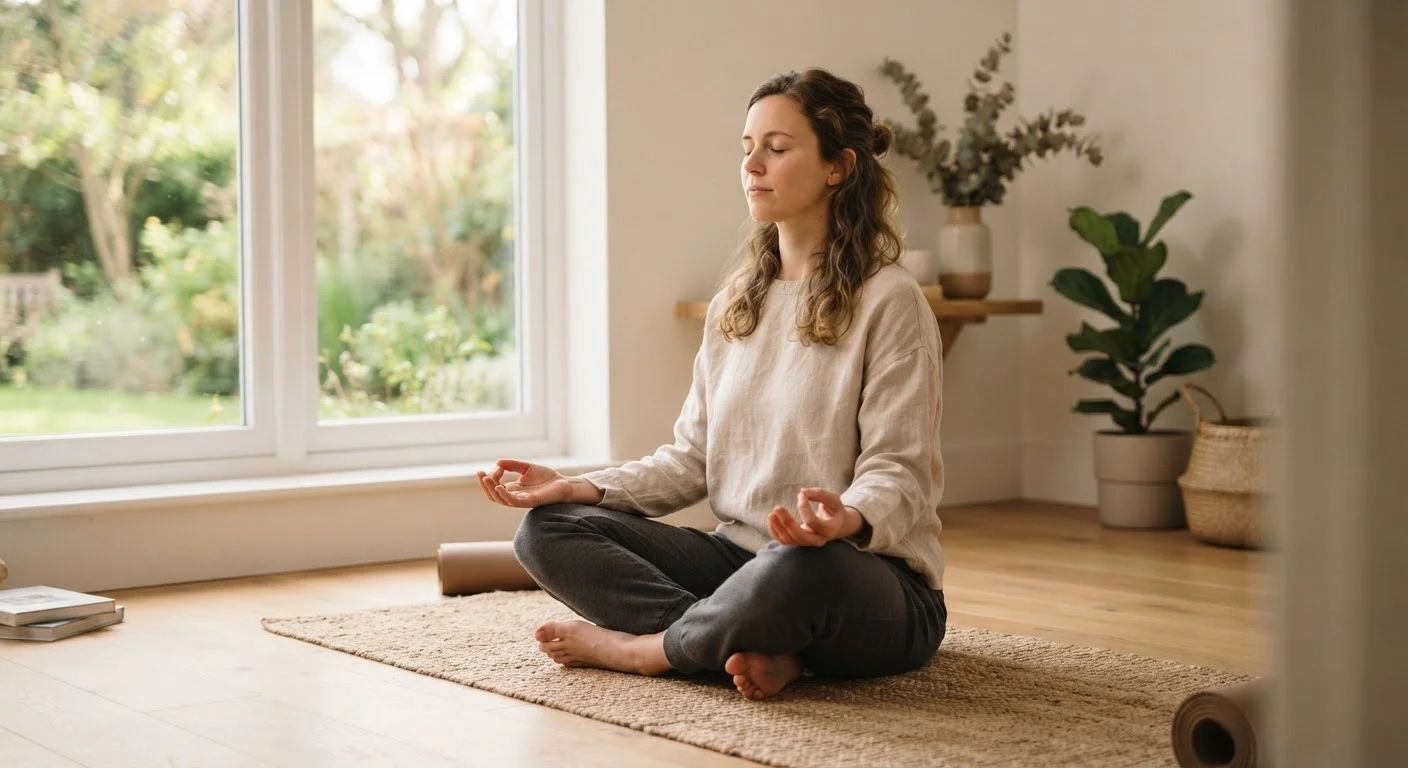
Photo credit: InfoHorizon.net | Access To Informative Content
In this article
Box breathing, 4-7-8, diaphragmatic breathing — each targets different stress states. A clear breakdown to help you choose the right one.
Why the Technique You Choose Matters
Not all breathing exercises do the same thing. Some activate the body's calming branch of the nervous system; others improve oxygen efficiency or build focus under pressure. Reaching for the wrong one — say, a stimulating technique when you're already anxious — can backfire. Understanding what each method is designed for helps you use breathwork as a reliable, evidence-informed tool rather than a guess.
If you're new to thinking about how stress shapes your body and mind, our guide to understanding your stress response is a practical first step before diving into specific techniques.
| Fastest single-breath relief | Physiological sigh |
| Best for sleep onset | 4-7-8 breathing |
| Most beginner-friendly | Diaphragmatic (belly) breathing |
| Best under acute pressure | Box breathing |
| Recommended daily session length | 2–5 minutes to start |
The Main Techniques and Their Best Use Cases
Below is a breakdown of the most well-researched breathing exercises, matched to the situations where they perform best.
Box Breathing — Best for Acute Stress and Focus
Box breathing follows a four-count pattern: inhale for 4 seconds, hold for 4, exhale for 4, hold for 4. The symmetry creates a predictable rhythm that interrupts the body's stress response without over-stimulating it. It is widely used in high-pressure settings — including by military personnel and first responders — to regain composure quickly. Use it before a difficult conversation, presentation, or any situation demanding sustained concentration.
4-7-8 Breathing — Best for Falling Asleep or Winding Down
Developed from pranayama traditions, the 4-7-8 method asks you to inhale for 4 counts, hold for 7, and exhale for 8. The extended exhale strongly activates the parasympathetic nervous system, slowing heart rate and easing the transition toward sleep. It is not well-suited for the middle of a workday — the pronounced relaxation effect can feel disorienting when alertness is needed.
Diaphragmatic (Belly) Breathing — Best for Chronic Stress and Everyday Calm
Diaphragmatic breathing — consciously expanding the belly rather than the chest on each inhale — is the foundational technique underpinning most breathwork. Practiced daily, it trains the body toward a more balanced baseline, reducing resting tension over time. Research supports its use for generalized anxiety, high blood pressure management under medical supervision, and improving respiratory efficiency. It requires no counting pattern, making it the most accessible option for beginners.
Parasympathetic nervous system
The branch of the autonomic nervous system responsible for the body's rest-and-digest functions. Activating it slows heart rate and promotes a sense of calm.
Diaphragmatic breathing
A breathing technique that uses the diaphragm — the dome-shaped muscle beneath the lungs — rather than the chest. It allows for fuller, more efficient breaths and is associated with lower resting tension.
Physiological sigh
A naturally occurring breathing pattern involving two quick inhales followed by a long exhale. It helps re-inflate collapsed air sacs in the lungs and quickly reduces feelings of acute anxiety.
Pranayama
A traditional yogic system of controlled breathing practices. Many modern breathwork techniques, including 4-7-8 and alternate nostril breathing, trace their origins to this tradition.
Alternate Nostril Breathing — Best for Emotional Balance and Clarity
Rooted in yoga traditions, alternate nostril breathing (Nadi Shodhana) involves closing one nostril at a time while breathing slowly through the other. Small studies suggest it may support attention and emotional equilibrium, though the evidence base is earlier-stage than for box or diaphragmatic breathing. It works best in quiet moments of reflection rather than crisis situations.
Physiological Sigh — Best for Rapid Anxiety Relief
The physiological sigh — a double inhale through the nose followed by a long exhale through the mouth — occurs naturally when the body needs to quickly deflate the lungs' air sacs. Research from Stanford suggests that even one or two deliberate sighs can reduce subjective anxiety faster than other single-breath techniques. It is a useful emergency tool but is not intended as a sustained practice.
How to Build a Personal Practice
1–2 breaths
Sighs needed for measurable anxiety reduction
Research from Stanford University found that even a single deliberate physiological sigh significantly lowered subjective anxiety ratings.
5 min/day
Minimum effective daily breathwork dose
Multiple studies on slow, controlled breathing suggest that even brief daily sessions can meaningfully shift baseline stress markers over time.
The most effective approach is to match your technique to your moment rather than committing to one method exclusively. Many people benefit from a short daily diaphragmatic session for baseline calm, box breathing before demanding tasks, and the physiological sigh for unexpected spikes in anxiety. Start with two to five minutes per session; consistency matters far more than duration.
If you have any cardiovascular, pulmonary, or neurological conditions, or if breathwork triggers dizziness, discomfort, or distress, stop and consult a qualified healthcare professional before continuing. Breathwork is supportive, not a substitute for medical treatment.
This article is for general informational and educational purposes only. It is not medical advice, and it does not replace the guidance of a qualified healthcare professional for personal health decisions.

Author
Health Editorial Team
Health Editorial Team is the collective byline for our editorial team and contributor network. Articles published under this byline or an editorial pen name are researched, written, and reviewed according to our editorial standards for clarity, consistency, and independence before publication.
View all articles →