
Understanding Your Stress Response: A Starting Point for Everyday People
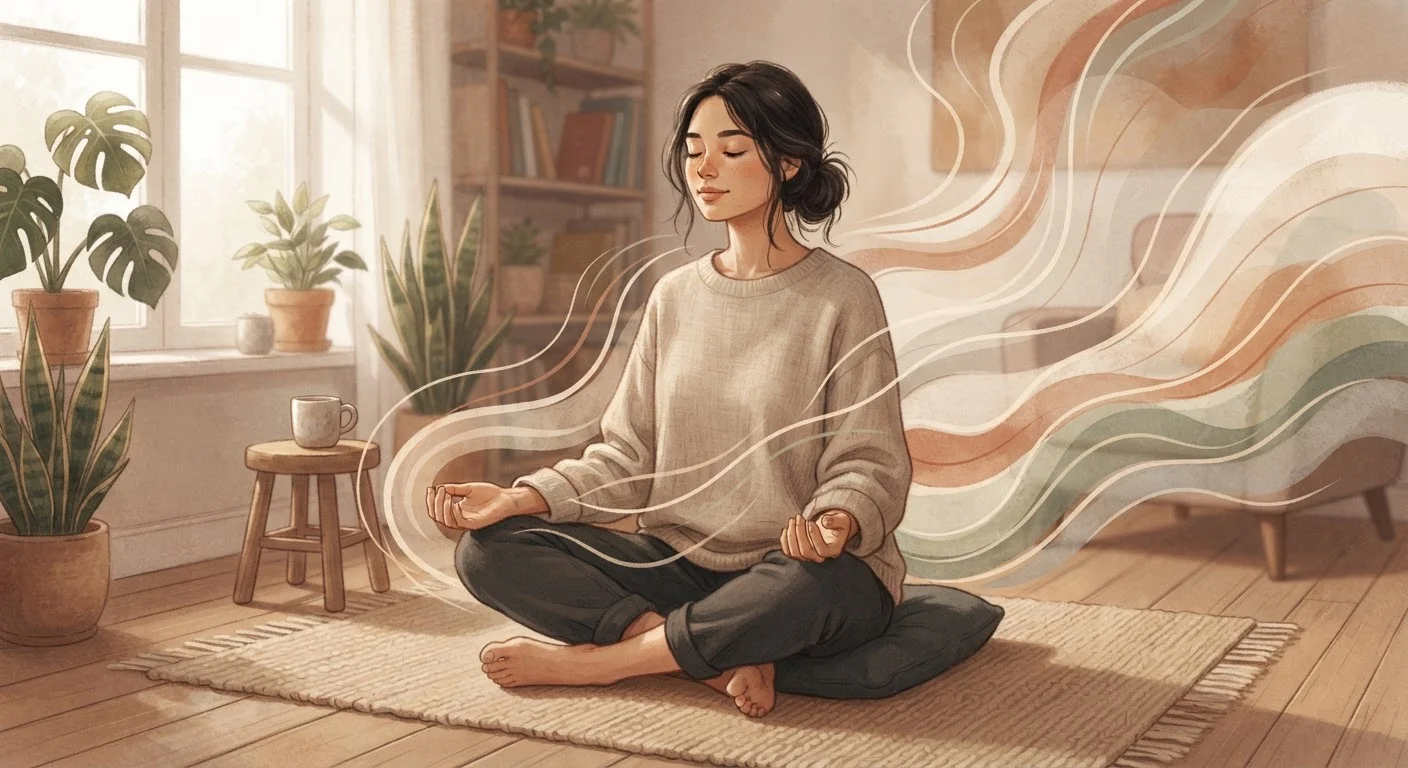
Photo credit: InfoHorizon.net | Access To Informative Content
In this article
If you're new to thinking about mental health, understanding how stress works in the body and mind is a practical first step.
Key Takeaways
- Stress is a normal biological response, but chronic stress can harm your physical and mental health.
- Your body and mind send specific signals when stress is building — learning to notice them is key.
- Simple, consistent habits form the strongest foundation for long-term stress resilience.
- Knowing when stress has moved beyond everyday management is essential for getting appropriate help.
What Is the Stress Response?
Stress is not a character flaw or a sign of weakness — it is a deeply wired biological system designed to keep you safe. When your brain perceives a threat, whether a near-miss in traffic or a looming work deadline, it triggers a cascade of hormonal signals. The adrenal glands release cortisol and adrenaline, your heart rate rises, muscles tense, and attention narrows. This is commonly called the fight-or-flight response.
For most of human history, this system helped people respond quickly to physical danger. In modern life, the same mechanism fires in response to emails, financial worries, and relationship conflicts — situations that rarely require sprinting or fighting, but that the nervous system treats with similar urgency. Understanding this disconnect is the starting point for managing stress more deliberately.
For a deeper look at what's happening in your body during these moments, see The Science Behind Why Stress Feels Physical.
Fight-or-flight response
The body's automatic reaction to a perceived threat, involving the release of stress hormones that increase heart rate and alertness to help you act quickly.
Cortisol
A hormone released by the adrenal glands during stress. It helps regulate energy and alertness in the short term, but elevated levels over long periods can affect health.
Parasympathetic nervous system
The part of your nervous system responsible for rest and recovery — essentially the body's counterbalance to the stress response.
Chronic stress
Stress that persists over an extended period without sufficient recovery, keeping the body in a prolonged state of activation that can affect physical and mental health.
Resilience
The capacity to recover from difficult experiences or stressors without lasting harm — a skill that can be developed through consistent healthy habits.
Acute vs. Chronic Stress: Why the Difference Matters
Not all stress is equal. Acute stress is short-lived — the surge of alertness before a presentation, for example. It resolves once the situation passes, and the body returns to a relaxed baseline. This type of stress is generally manageable and can even improve performance in the short term.
Chronic stress is different. It occurs when stressors persist or pile up without sufficient recovery, keeping cortisol levels elevated over days, weeks, or months. Research consistently links chronic stress to elevated risks of cardiovascular issues, weakened immune function, sleep disruption, and mood disturbances. It is also one of the key factors explored in our comprehensive mental well-being overview.
Don't Normalize Persistent Stress
It's easy to treat chronic stress as a fact of modern life and push through it indefinitely. However, prolonged elevated cortisol has real consequences for your cardiovascular, immune, and mental health. If stress feels like your permanent baseline rather than a temporary state, that's worth paying attention to — and discussing with a healthcare professional.
Recognizing which type of stress you're experiencing helps you choose an appropriate response — a grounding technique for an acute moment, or a broader lifestyle review if stress feels persistent.
Recognizing Your Personal Stress Signals
Stress shows up differently for different people. Learning to identify your own early signals — before they escalate — is a practical and underused skill. Signals generally fall into three categories:
- Physical: tight jaw or shoulders, headaches, shallow breathing, fatigue, stomach discomfort
- Emotional: irritability, anxiety, feeling overwhelmed, emotional numbness, difficulty concentrating
- Behavioral: withdrawing from people, changes in appetite, increased use of alcohol or caffeine, procrastination
Many people only notice stress once it has already peaked. Building the habit of regular self-check-ins — even briefly — gives you much more room to respond constructively. The Weekly Mental Health Check-In is a practical tool designed for exactly this purpose.
It's also worth considering whether certain daily routines might be amplifying your stress response without your realizing it. Everyday habits that quietly erode mental health are often overlooked but make a measurable difference.
Building a Foundation for Stress Resilience
Resilience — the ability to recover from stress without lasting harm — is not a fixed trait. It is built through consistent, everyday practices. No single technique eliminates stress, but a combination of foundational habits meaningfully reduces its impact over time.
Start Small, Stay Consistent
You don't need to overhaul your lifestyle overnight. Choosing one or two foundational habits — like a consistent bedtime or a short daily walk — and maintaining them reliably will build more resilience than a dramatic but short-lived effort. Consistency matters far more than intensity when it comes to stress management.
- Sleep: Adequate, regular sleep is among the most evidence-supported tools for emotional regulation and stress recovery.
- Movement: Even moderate physical activity helps regulate cortisol and supports mood. It does not need to be intense to be effective.
- Social connection: Meaningful interaction with others buffers the effects of stress on the nervous system.
- Controlled breathing: Slow, deliberate breathing activates the parasympathetic nervous system — the body's built-in calm response.
- Limiting known stressors: Where possible, reducing exposure to high-stress inputs (news overload, overcommitment) is a legitimate strategy.
If your stress is connected to prolonged uncertainty — about health, finances, or life circumstances — strategies for sustaining emotional balance during uncertainty may offer additional evidence-informed guidance.
When to Seek Professional Support
General stress management tools are valuable, but they have limits. If stress is consistently disrupting your ability to work, maintain relationships, sleep, or feel like yourself — or if you notice persistent sadness, anxiety, or hopelessness — these are signals worth taking seriously.
A qualified healthcare provider or licensed mental health professional can assess what you're experiencing and recommend appropriate support. Reaching out early is not a sign that you've failed at managing stress; it is a practical, effective step. This article is general health information and is not a substitute for professional medical or psychological advice.
This article is for general informational and educational purposes only. It is not medical advice. Always consult a qualified healthcare professional regarding personal health concerns, mental health symptoms, or before making changes to your care.
Frequently Asked Questions

Author
Health Editorial Team
Health Editorial Team is the collective byline for our editorial team and contributor network. Articles published under this byline or an editorial pen name are researched, written, and reviewed according to our editorial standards for clarity, consistency, and independence before publication.
View all articles →