
Sparkling Water Varieties: Club Soda, Seltzer, Tonic, and Sparkling Mineral Water
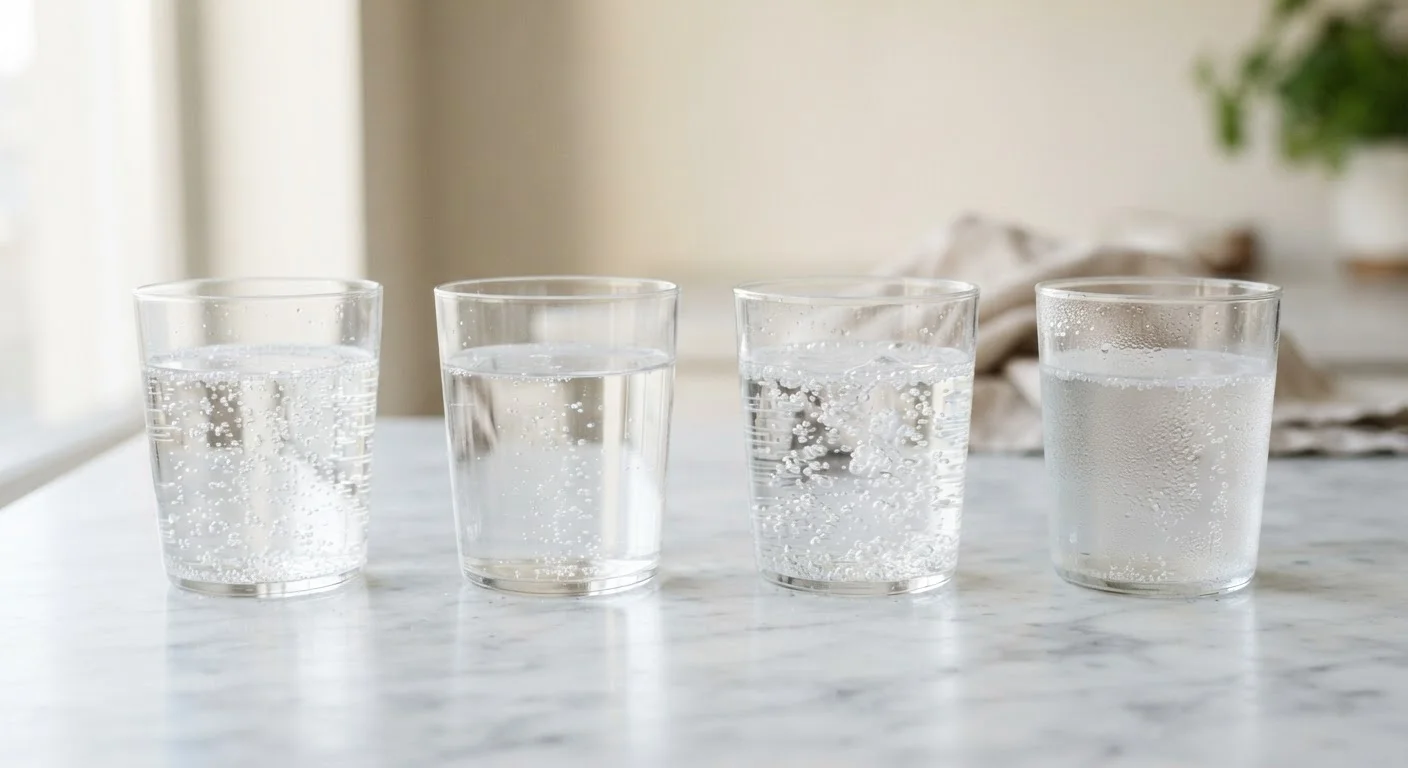
Photo credit: InfoHorizon.net | Access To Informative Content
These bubbly waters are not the same. A quick guide to what distinguishes each type and when to use which in drinks and cooking.
Why These Four Aren't Interchangeable
At a glance, all four look the same: clear, fizzy, poured over ice. But club soda, seltzer, tonic water, and sparkling mineral water differ in origin, mineral content, taste, and best use. Swapping one for another in a cocktail or recipe can meaningfully change the result. This guide breaks each down so you always reach for the right bottle.
| Seltzer ingredients | Water + CO₂ only |
| Club soda additions | Minerals (sodium bicarbonate, potassium salts) |
| Tonic water key ingredient | Quinine + sugar |
| Sparkling mineral water source | Natural underground spring or well |
| Calories (per 12 oz) | Seltzer/club soda: 0 — Tonic: ~120 |
| Best for baking batters | Seltzer or club soda |
The Four Types, Defined
Seltzer is simply water with carbon dioxide added under pressure — nothing else. It has a clean, neutral taste with no mineral flavor. It's the most versatile of the four and the closest thing to a blank canvas. Use it to top cocktails or mocktails when you want fizz without any added flavor or sodium.
Club soda is also carbonated water, but with added minerals — typically sodium bicarbonate, potassium sulfate, or potassium citrate. These additions give it a very mild, slightly salty or mineral edge that's barely perceptible on its own but can subtly affect cocktail balance. Many bartenders prefer it over plain seltzer for highballs.
Tonic water is the outlier. It contains added sugar and quinine, a bitter compound originally derived from cinchona bark. The result is noticeably sweet and distinctly bitter — very much its own flavor, not just bubbles. A gin and tonic tastes the way it does because of tonic's bitterness playing against the spirit. Tonic also contributes meaningful calories that the others do not.
Sparkling mineral water originates from a natural underground source, and its carbonation may be natural (from the source), added, or a blend of both. The key difference is that its mineral content — calcium, magnesium, sodium, and others — comes from the earth, not a factory. That composition varies by source, which is why different brands taste noticeably different. It tends to have a more complex, slightly heavier mouthfeel compared to seltzer.
Carbonation
The process of dissolving carbon dioxide gas into water under pressure, creating bubbles when the pressure is released. All four sparkling water types are carbonated.
Quinine
A bitter compound originally extracted from cinchona tree bark. It's added to tonic water and is responsible for its characteristic bitter taste and slight fluorescence under UV light.
Total Dissolved Solids (TDS)
A measure of the minerals, salts, and other dissolved substances in water. Sparkling mineral water tends to have a higher TDS than seltzer, which contributes to its more complex flavor.
Effervescence
The release of gas bubbles from a liquid. In sparkling waters, effervescence comes from dissolved CO₂, and bubble size and persistence can vary by product.
If you're exploring how carbonation interacts with other flavors in drinks, see our guide to pairing drinks with food for the underlying principles.
When to Use Each One
In cocktails and mocktails: Seltzer works when you want clean carbonation that doesn't compete. Club soda is a small step up in mineral complexity and is traditional in drinks like a Tom Collins or Scotch and soda. Tonic water is non-negotiable when a recipe calls for it — you can't substitute seltzer and expect the same result. Sparkling mineral water adds nuance to simple drinks like a spritz or a spirit served long.
In cooking: Seltzer and club soda are used interchangeably in batters (such as tempura or pancakes) because the carbonation creates lift and lightness. The small mineral difference between the two matters very little here. Tonic and sparkling mineral water are rarely used in cooking.
For drinking straight: This comes down to personal preference and sodium sensitivity. Tonic is a separate category — a sweetened, flavored drink, not a water substitute. Those monitoring sodium intake should note that club soda contains added sodium, while seltzer and most sparkling mineral waters do not (though some mineral waters are naturally higher in sodium — check the label).
If you're planning a gathering and want to offer all four, see our practical checklist for hosting a cocktail party for setup guidance. And if your interest in drinks extends to the non-alcoholic spirits category, our piece on how non-alcoholic spirits are made covers how sparkling water often plays a key supporting role in those drinks.
A Note on Sodium and Tonic Calories
Club soda contains added sodium — typically 50–75 mg per 12 oz — which is worth noting for anyone on a sodium-restricted diet. Tonic water, while often grouped with sparkling waters, is a sweetened beverage with roughly 32 grams of sugar per 12 oz. If you're managing blood sugar or calorie intake, tonic water behaves more like a soft drink than a water. Always check individual product labels, as formulations vary.

Author
Food Editorial Team
Food Editorial Team is the collective byline for our editorial team and contributor network. Articles published under this byline or an editorial pen name are researched, written, and reviewed according to our editorial standards for clarity, consistency, and independence before publication.
View all articles →