
Pasta from Scratch: Techniques, Ratios, and Common Stumbles
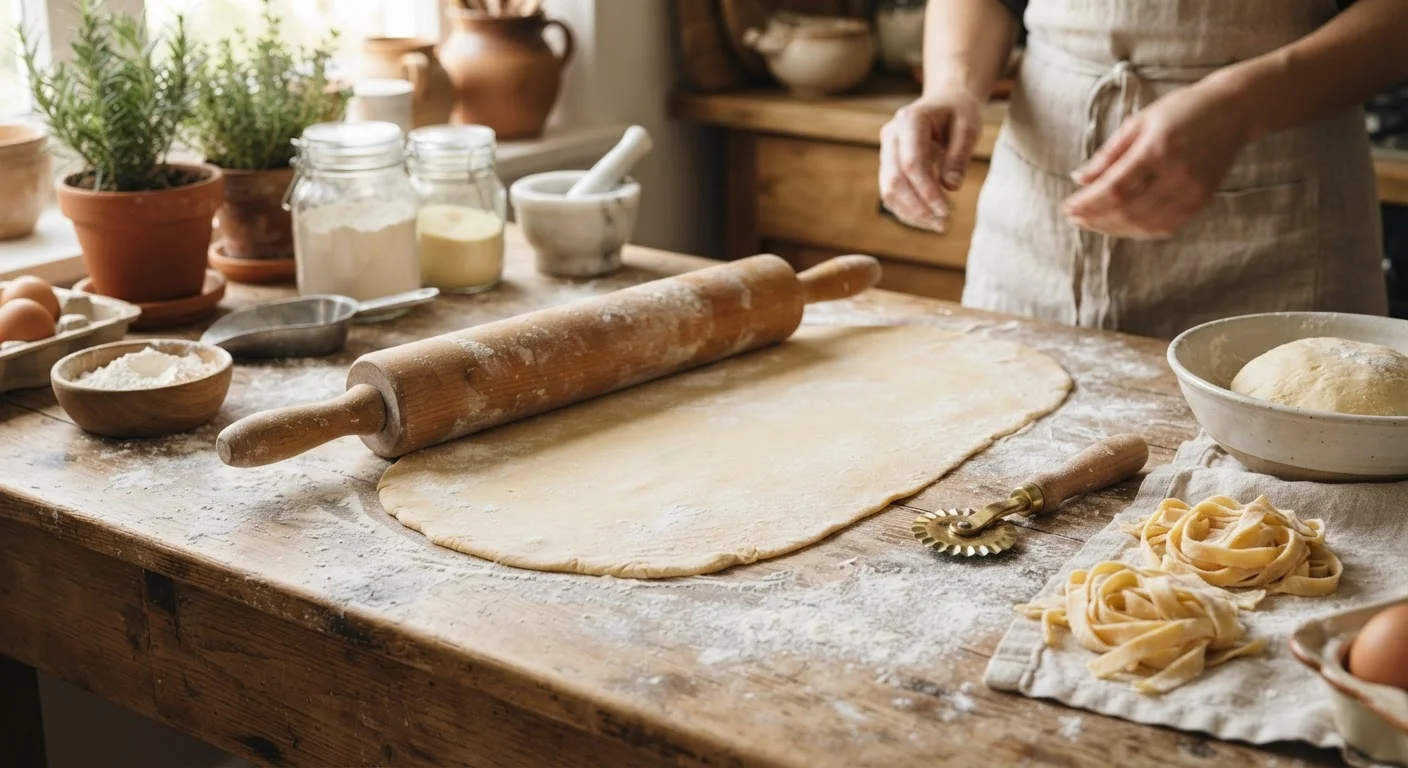
Photo credit: InfoHorizon.net | Access To Informative Content
Homemade pasta is more forgiving than it looks. Learn the flour-to-egg ratios, kneading method, and resting steps that lead to consistent results.
Key Takeaways
- The standard fresh pasta ratio is 100 grams of flour per large egg — scale up or down from there.
- Resting the dough for at least 30 minutes is non-negotiable for pliable, smooth pasta.
- Over-flouring during rolling is the most common mistake and leads to stiff, cracked noodles.
- All-purpose flour works well for beginners; 00 flour produces a silkier texture.
- Freshly made pasta cooks much faster than dried — typically 1 to 3 minutes in boiling water.
Understanding the Ingredients and Ratios
Fresh pasta has a short ingredient list — flour, eggs, and sometimes a pinch of salt — but the ratio between them determines everything about the final texture. The baseline formula is 100 grams of flour per large egg. This produces a dough that's firm enough to roll thin yet supple enough to hold its shape when cooked.
Flour type matters more than many beginners expect. 00 flour (a finely milled Italian wheat flour) creates a smooth, silky texture because its fine protein structure forms gluten more evenly. All-purpose flour is a perfectly valid alternative — it produces a slightly chewier result that many people actually prefer. Avoid bread flour, which is too high in protein and yields a tough, rubbery noodle.
Eggs contribute fat, moisture, and structure. Whole eggs give a good balance; adding extra yolks increases richness and produces a deeper golden color. If you're scaling up a batch, stick to the base ratio and add yolks rather than whole eggs when you want more flavor depth.
Before mixing anything, it's worth running through a quick kitchen prep check — having your tools and workspace organized before you start saves significant frustration. See our kitchen prep checklist for a full pre-cook rundown.
Kitchen scale
Measuring flour and eggs by weight ensures consistent dough ratios every time.
Pasta machine or rolling pin
Used to roll the dough to uniform, thin sheets before cutting.
Bench scraper
Helps lift and portion dough without tearing it.
Large pot
Fresh pasta needs plenty of boiling, salted water to cook evenly without sticking.
00 flour or all-purpose flour
00 flour produces a silkier texture; all-purpose is a reliable beginner alternative.
Common Stumbles and How to Avoid Them
Homemade pasta fails in predictable ways, and knowing what to look for in advance puts you well ahead.
The dough tears when rolled
This almost always means the dough didn't rest long enough, or it was rolled before the gluten had time to relax. If tears appear mid-session, cover the dough and let it rest another 10 minutes before continuing.
The noodles stick together after cutting
This happens when pasta is cut and left in a pile without enough flour dusting between layers. Toss cut noodles gently with a little flour as soon as they come off the machine or board.
The finished noodles are gummy
Gummy pasta is usually undercooked, but it can also result from dough that was too wet. If your dough felt very sticky during mixing, add flour incrementally in future batches. Cooking in a large pot with plenty of water (rather than a small pot) also helps.
The dough is crumbly and won't come together
This means the dough is too dry — common in low-humidity environments or when flour is over-measured. Add water by the half-teaspoon until the dough just comes together. A few drops of water go a long way at this stage.
Test Dough Readiness with the Poke Method
After kneading, press a finger into the center of the dough ball. It should spring back slowly — not immediately and not stay indented. Immediate spring-back means more kneading is needed; a dent that stays means the dough is over-worked or too dry.
Once you're comfortable with the basic method, fresh pasta is genuinely cost-effective. A 500-gram bag of flour and a half-dozen eggs can produce several generous servings of noodles. For more ideas on stretching your kitchen budget without cutting corners on quality, see our guide on eating well on a budget.
Salt Your Pasta Water Generously
Pasta water should taste noticeably salty — many cooks describe it as 'mildly briny.' This is your only opportunity to season the pasta itself. Under-salted water produces bland noodles that no sauce can fully rescue.

Author
Food Editorial Team
Food Editorial Team is the collective byline for our editorial team and contributor network. Articles published under this byline or an editorial pen name are researched, written, and reviewed according to our editorial standards for clarity, consistency, and independence before publication.
View all articles →