
Currency, Cards, and Cash: Managing Money Smartly While Traveling
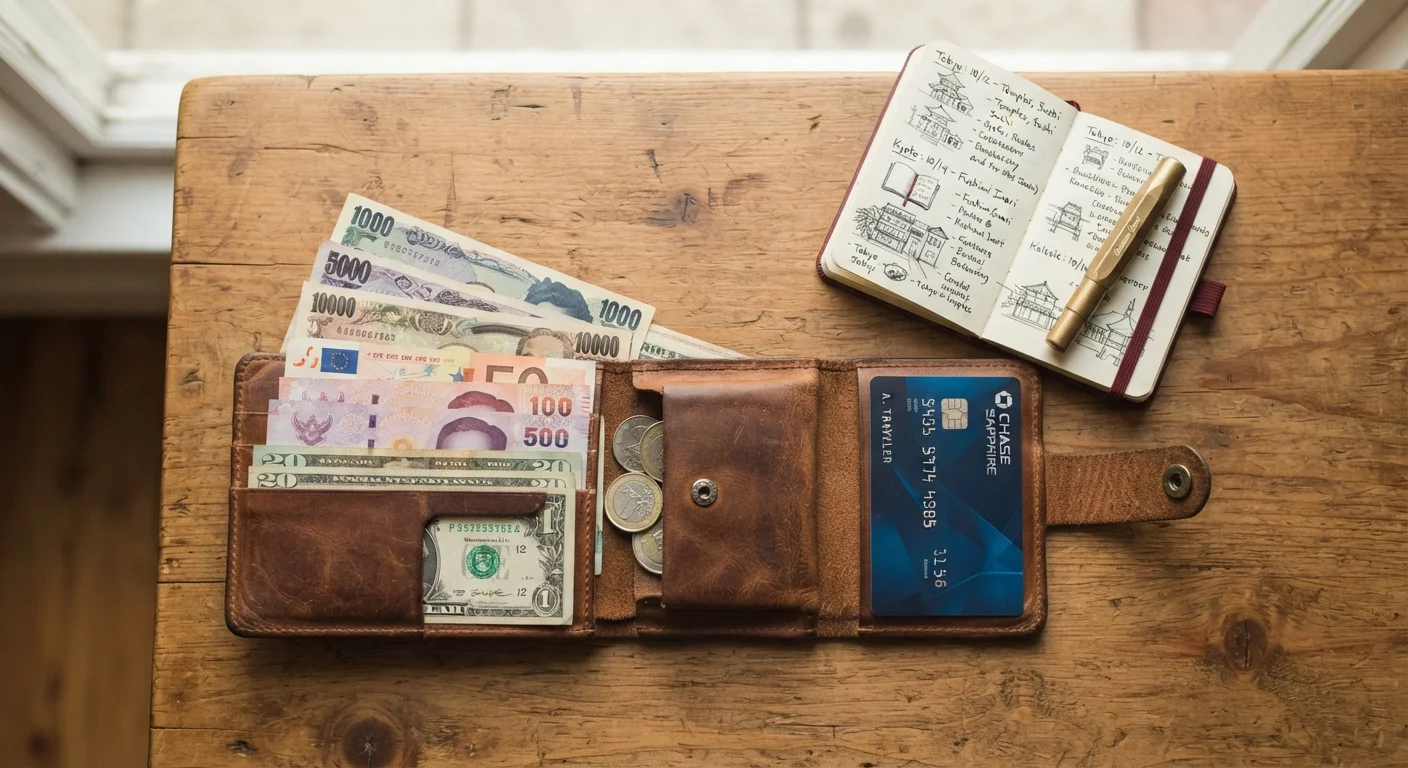
Photo credit: InfoHorizon.net | Access To Informative Content
In this article
Exchange rates, ATM fees, and foreign transaction charges add up fast. Here's what to know about handling money abroad without unnecessary losses.
Key Takeaways
- Foreign transaction fees and poor exchange rates can silently drain your travel budget.
- Using bank ATMs abroad typically yields better rates than airport currency exchange kiosks.
- Carrying a mix of cards and local cash protects you in most spending situations.
- Declining dynamic currency conversion at payment terminals almost always saves you money.
- Notifying your bank before departure prevents frozen cards at the worst possible moment.
Why Your Money Loses Value Before You Even Spend It
Most travelers focus on flights and hotels, but the quiet costs of accessing and spending money abroad can add up to a meaningful slice of any trip budget. Foreign transaction fees, ATM surcharges, and unfavorable exchange rates all chip away at your dollar before you've bought a single meal or metro ticket.
Understanding a few foundational concepts puts you in control. The mid-market exchange rate — sometimes called the interbank rate — is the "true" rate you'll see on financial data sites. Any service converting your currency will mark up from that rate to make a profit. The gap between that benchmark and what you're actually offered is the hidden cost of every exchange.
For a deeper look at how these small recurring costs compound across a trip, see how overspending creeps into even the most careful trip budget.
2–3%
Typical foreign transaction fee per card purchase
Many standard US-issued credit and debit cards add a foreign transaction fee of 2–3% on every purchase made in a foreign currency.
8–15%
Typical markup at airport currency kiosks
Currency exchange counters at airports and tourist areas routinely apply exchange rate markups well above what a local bank ATM would charge.
Best Practices for Managing Money Abroad
There's no single perfect approach — the right strategy blends cards, cash, and timing to match your destination and spending style. The practices below reflect widely accepted guidance for US-based travelers heading overseas.
Use a debit card linked to a bank that reimburses ATM fees internationally.
Many traditional US banks charge $3–5 per ATM withdrawal abroad, on top of the ATM operator's own fee. Over a two-week trip with regular cash needs, that adds up fast. Fee-reimbursing accounts eliminate this drain entirely.
Always decline dynamic currency conversion (DCC) when paying by card.
When a foreign terminal offers to charge you in US dollars instead of local currency, it's using a proprietary exchange rate that's typically 3–7% worse than your card's network rate. It looks convenient but almost always costs more.
Carry a credit card with no foreign transaction fee as your primary spending tool.
Many standard US credit cards add a 2–3% foreign transaction fee on every purchase abroad. Cards without this fee effectively give you near-interbank exchange rates on everyday spending, which compounds across dozens of transactions.
Withdraw larger amounts less frequently rather than small amounts often.
Even when your bank doesn't charge ATM fees, local ATM operators may impose a fixed per-transaction fee. Withdrawing a meaningful sum in one visit minimizes those fixed costs per dollar obtained.
Avoid airport and hotel currency exchange counters.
Currency exchange booths at airports and hotels typically offer the widest spreads from the mid-market rate — often 8–15% worse than a bank ATM in the city. Convenience here comes at a steep price.
Keep a modest amount of local cash for small and cash-only purchases.
Many local markets, street vendors, small restaurants, and transit systems in destinations worldwide still prefer or require cash. Being card-only leaves you stuck or paying inflated prices at card-accepting alternatives.
Quick Actions to Take Before You Depart
A little preparation at home prevents a lot of friction abroad. These steps take minutes but can save you real money and serious stress.
Travel money decisions don't exist in a vacuum — they're part of your broader trip budget. Pair these practices with the strategies in the full playbook for traveling more while spending less to build a complete picture. And because food is often your largest daily variable cost abroad, the guidance in eating well abroad without draining your wallet pairs naturally with smart spending habits.
Currency Access Varies by Destination
In some countries, ATM networks are limited outside major cities, and card acceptance can be inconsistent. In others, contactless cards are near-universal. It's worth researching your specific destination's payment culture before you arrive — travel forums and official tourism sites are useful starting points. Always verify current entry requirements, currency regulations, and any cash import or export limits with official government sources before traveling.
This article is for general informational purposes only and does not constitute financial or investment advice. Always verify current exchange rates, fees, and card terms with your financial institution before traveling.

Author
Travel Editorial Team
Travel Editorial Team is the collective byline for our editorial team and contributor network. Articles published under this byline or an editorial pen name are researched, written, and reviewed according to our editorial standards for clarity, consistency, and independence before publication.
View all articles →