
Before You List or Offer: A Housing Market Check-In
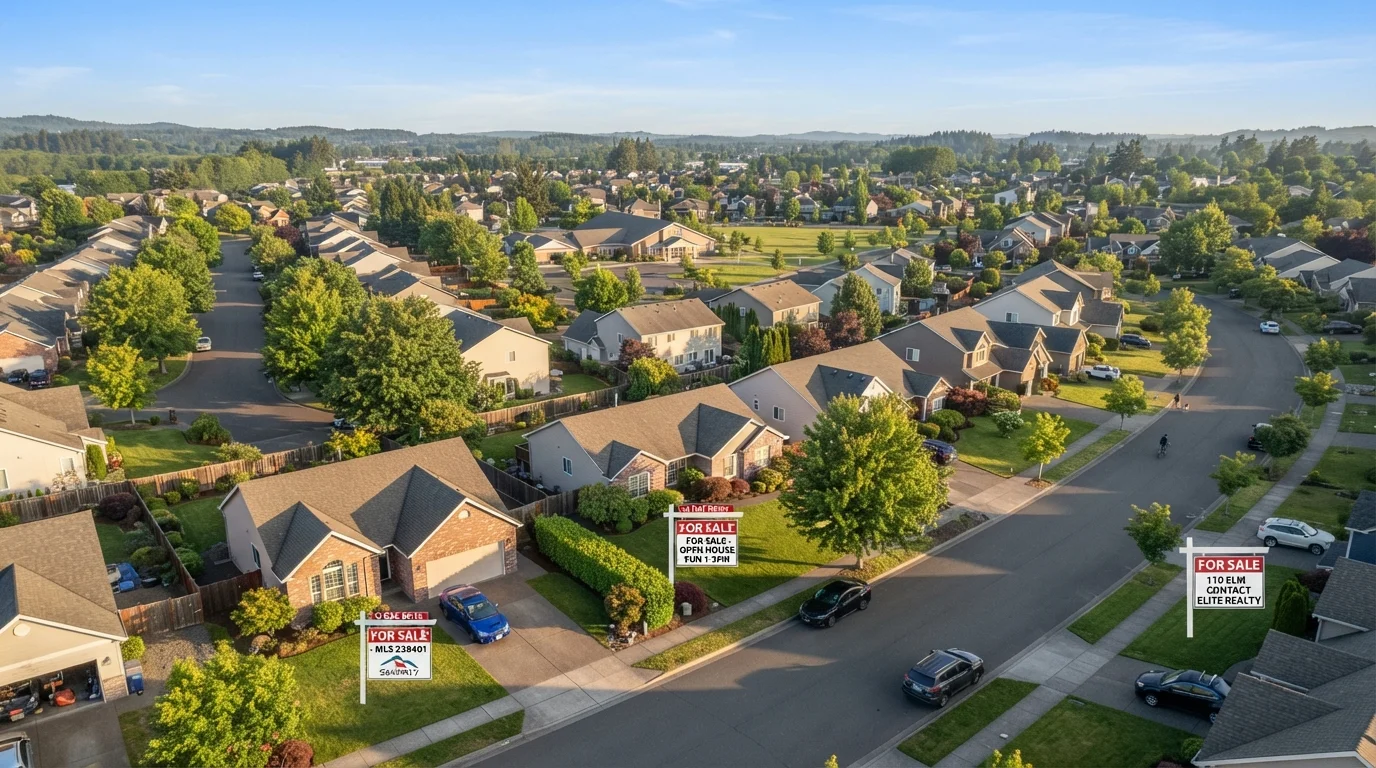
Photo credit: InfoHorizon.net | Access To Informative Content
In this article
A practical checklist of market conditions, data points, and questions to answer before making a major real estate move in any market environment.
Key Takeaways
- Local market conditions — not national headlines — should drive your timing decisions as a buyer or seller.
- Days on market, months of supply, and price reduction rates are among the most reliable early signals of market shifts.
- Buyers and sellers need different data points; this checklist addresses both roles clearly.
- Financial readiness and market readiness are separate — you must evaluate both before acting.
- A qualified real estate agent and independent research together give you the most complete picture.
Why a Market Check-In Matters Before You Move
Most people spend more time researching a refrigerator than they do understanding the housing market before making a six-figure decision. Whether you're preparing to list your home or submit an offer, the conditions of your local market — not the national narrative — will shape your negotiating position, timeline, and financial outcome.
National housing headlines often lag reality. Local market signals like days on market and listing volume frequently shift weeks or months before sale prices follow. This checklist cuts through the noise and gives you a structured way to assess exactly where things stand before you commit.
Use this as a working document — something you complete with current data, not a quick read. The goal is clarity, not confidence for its own sake.
County Assessor or MLS Public Portal
Access recent sale prices, property tax history, and listing data for your target area.
Federal Reserve Economic Data (FRED)
Track mortgage rate trends and regional housing inventory metrics over time.
Annual Credit Report (AnnualCreditReport.com)
Pull your credit reports from all three bureaus to verify accuracy before applying for financing.
Mortgage Payment Calculator
Model monthly payment changes across different interest rate and down payment scenarios.
Local Real Estate Agent
Provide a comparative market analysis and local expertise that public data tools cannot replicate.
Spreadsheet or Note-Taking App
Track comps, data points, and checklist progress in one organized place.
The Checklist: What to Verify Before Listing or Offering
Work through these items in order. Sellers and buyers share some common ground, but each section flags which items apply specifically to your role. If you're a first-time buyer, our guide on what to understand before house hunting is a useful companion resource.
Local Market Conditions
Your Financial Readiness
Comparable Sales Analysis
Timing and Strategy
Professional Inputs
National Data Doesn't Reflect Your Neighborhood
National median home price figures and broad inventory reports are useful for context but can be misleading at the local level. A metro area showing overall price growth may still contain specific ZIP codes with falling values — and vice versa. Always anchor your decisions to neighborhood-level or ZIP-code-level data rather than state or national aggregates.
Pre-Approval Amounts Are Not Buying Budgets
Lenders typically approve borrowers for the maximum amount they qualify for under their underwriting guidelines — not the amount that's comfortable for your lifestyle and savings goals. Use your pre-approval figure as a ceiling, not a target. Factor in ongoing costs like maintenance, insurance, and taxes before settling on your actual price range.
Putting the Data to Work
Checking the market isn't a one-time event — conditions can shift meaningfully over 30 to 60 days, particularly in markets with limited inventory or rising interest rate sensitivity. Once you've worked through the checklist, schedule a follow-up review if your timeline extends beyond a month.
For buyers, the neighborhood context matters as much as the price. Factors like commute infrastructure, school district boundaries, and walkability affect long-term value in ways that raw price-per-square-foot doesn't capture. Our resource on evaluating a neighborhood before you buy helps you layer that context on top of market data.
For sellers, the listing price isn't just a number — it signals to buyers how realistic you are. Overpriced listings accumulate days on market quickly, and that visible stagnation often forces larger price cuts than a well-priced listing would have required from the start.
Stale Data Can Cost You Thousands
Housing market conditions can shift materially within 30 to 60 days, especially when interest rates are volatile. A comparative market analysis or pre-approval letter that's more than 45 days old may no longer reflect current reality. Before you list at a specific price or submit an offer based on old comps, verify that your data is still current — and ask your agent what has sold or gone under contract in the past two to four weeks.
This article is for general informational and educational purposes only and does not constitute financial, legal, or real estate advice. Consult a licensed real estate professional for guidance specific to your situation and local market.

Author
Real Estate Editorial Team
Real Estate Editorial Team is the collective byline for our editorial team and contributor network. Articles published under this byline or an editorial pen name are researched, written, and reviewed according to our editorial standards for clarity, consistency, and independence before publication.
View all articles →