
Why the 'One In, One Out' Rule Is Harder Than It Sounds
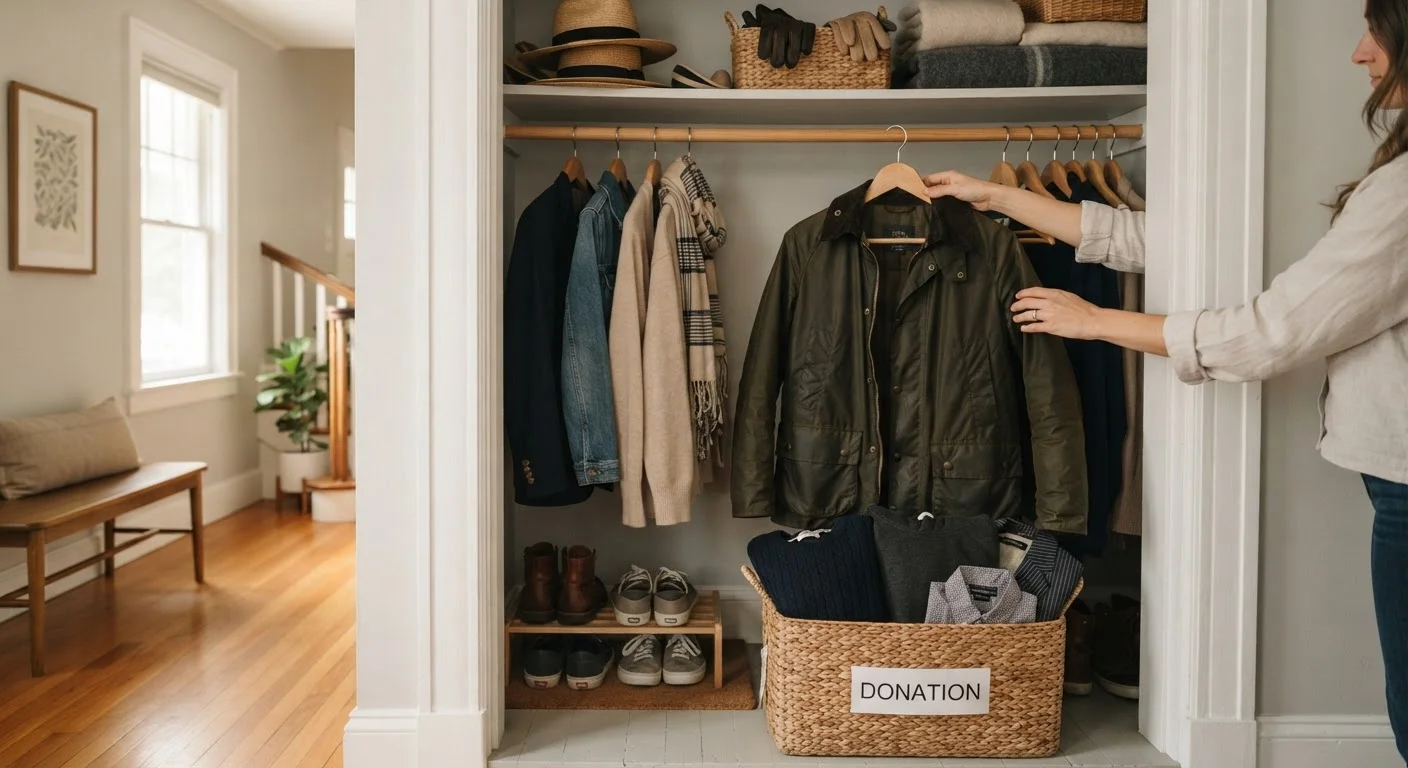
Photo credit: InfoHorizon.net | Access To Informative Content
The one-in, one-out rule sounds simple, but most households quietly abandon it. Here's what makes it difficult and how to make it actually stick.
Key Takeaways
- The one-in, one-out rule fails most often because of emotional attachment, not laziness or forgetfulness.
- Vague categories and no exit plan are two of the biggest structural reasons the rule breaks down.
- Building a simple system around the rule — like a designated outbox — dramatically improves follow-through.
- Small, consistent habit shifts matter more than a single big decluttering session.
Why a Simple Rule Gets Complicated Fast
The one-in, one-out rule is elegant in concept: every time something new enters your home, something old leaves. No net gain. No slow creep of clutter. In practice, though, most households quietly abandon it within weeks — not because the idea is flawed, but because the rule collides with real human behavior.
Understanding why it's hard is the first step toward making it genuinely work. The mistakes below aren't signs of failure — they're predictable patterns that, once named, become much easier to disrupt.
Applying the rule only to things you were already willing to get rid of.
Why it happens: It's tempting to satisfy the rule on paper by removing something you'd already mentally discarded — an old, broken item you meant to toss anyway. This creates the feeling of compliance without any real discipline.
Skipping a category because it 'doesn't count.'
Why it happens: People often carve out exceptions for books, children's items, hobby supplies, or gifts — treating certain categories as exempt from the rule because they feel more justified or sentimental.
No designated exit path for outgoing items.
Why it happens: When you decide something should leave but don't have a clear next step — donate, sell, or trash — the item lingers. 'I'll deal with it later' is where the rule silently dies.
Treating gifts and free items as exceptions.
Why it happens: Refusing or discarding a gift can feel ungrateful, and free items feel cost-free — so neither triggers the usual one-in, one-out reflex. Yet gifts and freebies are among the most common sources of household accumulation.
Waiting until after you've already brought the new item in to decide what goes out.
Why it happens: Once a new item is unpacked and in place, it already feels like it belongs. The psychological momentum to remove something equally established drops sharply.
Building a System That Actually Sticks
Rules without structure are just intentions. The households that maintain one-in, one-out successfully tend to have a physical system — not just a mental note. A simple cardboard box near the front door or in a closet, designated as the outbox, removes the need to make an in-the-moment decision every time. When something goes in, you drop the outgoing item there immediately. When the box fills, it leaves the house.
Don't Let the Outbox Become Storage
A designated outbox only works if items actually leave the home on a regular schedule. If the box sits full for weeks, it becomes a holding zone — and the psychological pressure to clear it fades quickly. Set a recurring reminder, even monthly, to empty it completely. Treat the outbox as a transit point, not a destination.
Pairing this habit with related routines amplifies results. Just as small consistent financial habits compound over time in a budget, small consistent organization habits compound in your home. The goal isn't a perfect home — it's a home that doesn't quietly expand beyond what you can manage. Start with one category, get that working, then expand from there.

Author
Home & Garden Editorial Team
Home & Garden Editorial Team is the collective byline for our editorial team and contributor network. Articles published under this byline or an editorial pen name are researched, written, and reviewed according to our editorial standards for clarity, consistency, and independence before publication.
View all articles →