
The Mental Health Benefits of Time Outdoors — What the Research Actually Says
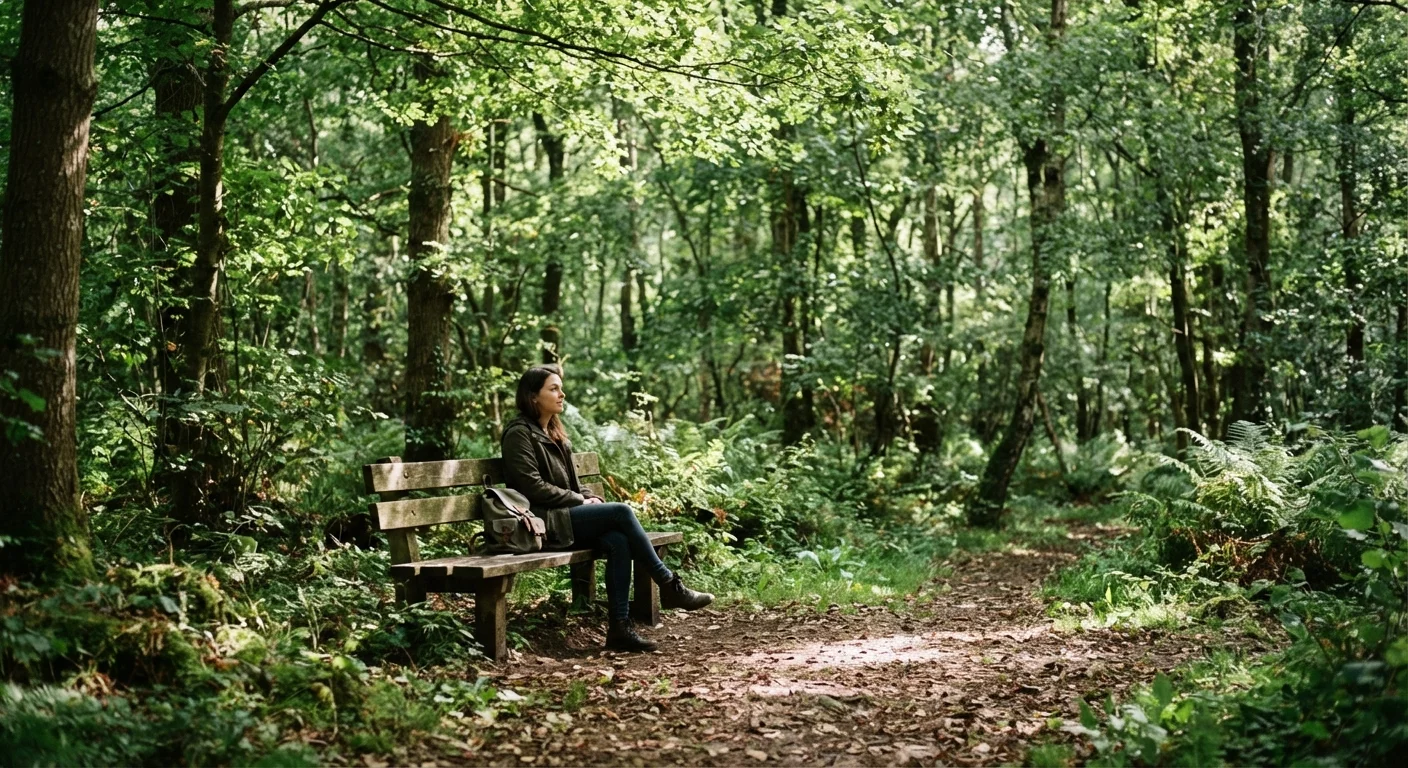
Photo credit: InfoHorizon.net | Access To Informative Content
Nature exposure is widely cited for mental well-being, but what does the evidence actually support? A grounded look at current research.
Key Takeaways
- Even short nature exposures — as little as 20 minutes — are linked to measurable reductions in cortisol levels.
- Nature does not replace clinical mental health treatment but can meaningfully complement it.
- Urban green spaces provide real psychological benefits; wilderness access is not required.
- The mental health effects of outdoor time are modest and vary significantly by individual and context.
- Combining outdoor time with light physical activity may amplify mood-related benefits.
What the Research Actually Shows
The case for nature and mental health has accumulated steadily over several decades. Studies across multiple countries have linked exposure to green spaces — parks, forests, gardens, and even tree-lined streets — with lower stress, better mood, and reduced mental fatigue. A widely cited analysis drawing on data from over 140 studies found that living near green space was associated with lower levels of self-reported stress and higher well-being scores.
That said, the effect sizes in this literature are generally modest. Nature is not a magic lever — it is one of many factors that contribute to emotional well-being, alongside social connection, sleep, physical activity, and purposeful daily habits. Understanding what the evidence actually supports — and what it doesn't — helps you use time outdoors as a realistic tool rather than an overhyped cure.
Myth
You need to spend hours in remote wilderness to get meaningful mental health benefits from nature.
Fact
Studies consistently show that even 20–30 minutes in an urban park or green space produces measurable reductions in stress markers such as cortisol.
The idea that only dramatic, remote landscapes count is a common overstatement. Research published in Frontiers in Psychology found that spending as little as 20 minutes in a nature setting — even a city park — was associated with significant decreases in salivary cortisol, a key physiological stress marker. You don't need to hike a national park to benefit; a tree-lined street or a community garden can offer a meaningful reset.
Myth
The mental health benefits of being outside are just about physical exercise — it's the movement, not the nature.
Fact
Research shows nature exposure produces psychological benefits independent of physical activity levels, though combining both may amplify the effect.
Exercise clearly supports mental well-being, and walking outdoors can combine both benefits. However, studies that control for physical activity levels — comparing sedentary people in natural vs. built environments — still find mood and stress advantages for the nature condition. Attention Restoration Theory, developed by researchers Rachel and Stephen Kaplan, proposes that natural environments replenish directed attention capacity in ways that indoor or urban settings do not, regardless of movement.
Myth
Spending time outdoors is a reliable treatment for clinical depression or anxiety.
Fact
Nature exposure is associated with improved mood and reduced stress in general populations, but it is not an evidence-based standalone treatment for clinical mental health conditions.
This is perhaps the most important distinction to make carefully. The research base — while real — mostly involves non-clinical populations and self-reported mood outcomes. For people managing diagnosed depression or anxiety, nature walks may serve as a useful complementary activity alongside professional treatment, but there is insufficient evidence to position it as a primary therapy. Overstating this can inadvertently discourage people from seeking appropriate care. For a broader view of mental well-being strategies, see our comprehensive overview of mental well-being.
Myth
The positive effects of nature on mood last for days after a single outing.
Fact
Current evidence suggests the mood-lifting effects of nature exposure are relatively short-lived, pointing to the value of regular, frequent exposure rather than occasional outings.
While some studies observe benefits persisting for hours after outdoor time, there is limited evidence that a single nature visit produces lasting mood changes over days. The practical implication is that consistency matters more than intensity. Building regular outdoor time into your weekly routine — even brief, low-effort interactions with green or blue spaces — is likely more beneficial than one long, infrequent excursion. This fits a broader pattern seen across mental health research: habits compound over time in ways that isolated events do not. Compare this to how everyday habits quietly erode mental health — small repeated behaviors, positive or negative, accumulate.
Myth
Virtual nature — like nature videos or nature sounds — provides essentially the same benefits as being outdoors.
Fact
Some studies find minor stress-reduction effects from virtual nature, but the evidence consistently favors actual outdoor exposure as more effective.
Virtual nature content has attracted research interest, particularly for populations with limited outdoor access. Some findings suggest it can marginally reduce stress compared to no nature exposure at all. However, head-to-head comparisons generally show real outdoor environments outperform digital simulations on measures like cortisol reduction, self-reported restoration, and attention recovery. Virtual nature may serve as a partial bridge for those with mobility limitations or extreme urban density, but it should not be considered equivalent.
How to Make Outdoor Time Work for You
The research points toward a few practical patterns worth knowing. Frequency appears to matter more than duration — regular shorter exposures seem to offer more sustained benefit than rare long visits. Environments with water (rivers, lakes, coastlines) tend to score particularly high in restoration research, though any green space outperforms purely built environments in most studies.
Combining outdoor time with light movement, as in a regular walk through a park, may compound the benefits. Pairing it with low-stakes social interaction — a brief chat with a neighbor, walking with a friend — may add another layer of well-being benefit, consistent with findings on the mental health value of small social connections.
Nature Is Not a Substitute for Professional Care
The research on nature and mental health is genuine and growing, but outdoor time is not a clinically proven treatment for depression, anxiety disorders, or other diagnosable conditions. If you are experiencing persistent mental health symptoms, please speak with a qualified healthcare professional. This article is for general informational purposes only and does not constitute medical advice.
If you find yourself in periods of prolonged stress or uncertainty, building a consistent outdoor routine is one evidence-grounded strategy worth trying — alongside others explored in our guide to sustaining emotional balance during uncertainty.
20 min
Nature exposure linked to cortisol reduction
Research published in Frontiers in Psychology found roughly 20 minutes in a natural setting was associated with the greatest rate of decrease in salivary cortisol.
~120 min
Weekly nature time associated with good health
A large-scale study using data from nearly 20,000 people found that spending at least 120 minutes per week in nature was associated with significantly higher rates of reported good health and well-being.
140+
Studies included in nature–well-being meta-analyses
Systematic reviews in this field have synthesized findings from over 140 individual studies, lending growing weight to the overall pattern, though effect sizes remain modest.
This article is for informational purposes only and does not constitute medical advice. Please consult a qualified healthcare professional for guidance on your personal mental health.

Author
Health Editorial Team
Health Editorial Team is the collective byline for our editorial team and contributor network. Articles published under this byline or an editorial pen name are researched, written, and reviewed according to our editorial standards for clarity, consistency, and independence before publication.
View all articles →