
The Debt Avalanche vs. the Debt Snowball: Which Payoff Strategy Fits Your Situation
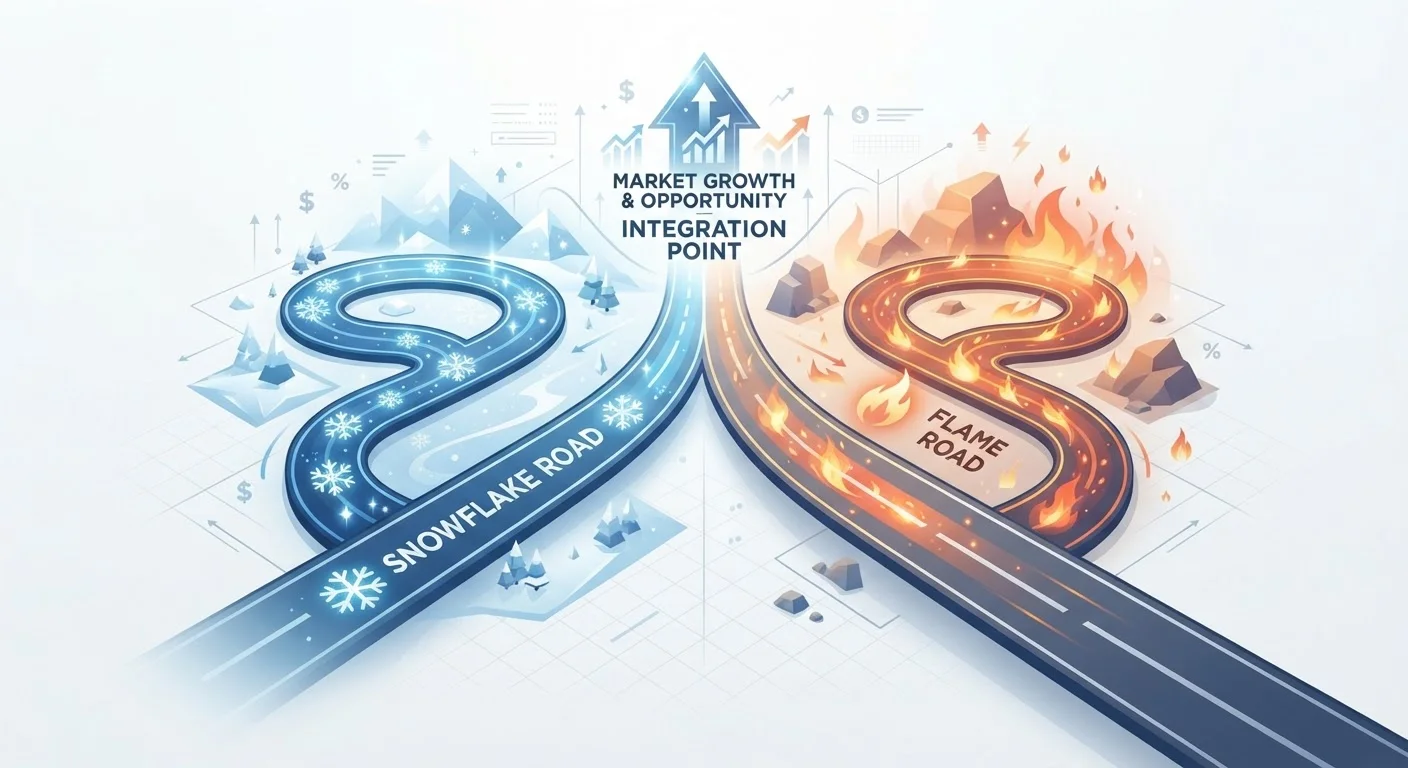
Photo credit: InfoHorizon.net | Access To Informative Content
In this article
A clear side-by-side look at two popular debt repayment methods — how each works, what it costs you in interest, and which suits different financial personalities.
Key Takeaways
- The Debt Avalanche targets your highest-interest debt first, minimizing total interest paid over time.
- The Debt Snowball targets your smallest balances first, generating quick wins and sustained motivation.
- Both strategies require making minimum payments on all debts except the one you're actively attacking.
- Research suggests behavior and consistency matter more than which method you choose.
- Your financial personality — not just math — should guide which approach you commit to.
How Each Strategy Actually Works
Both the Debt Avalanche and the Debt Snowball share one foundational rule: make the minimum required payment on every debt every month. The difference lies in where you direct any extra money you can apply toward debt.
Debt Avalanche: After minimums are covered, put every additional dollar toward the account with the highest annual percentage rate (APR), regardless of balance size. Once that debt is cleared, redirect its entire former payment toward the next highest-rate account, and so on down the list.
Debt Snowball: After minimums are covered, put every additional dollar toward the account with the smallest outstanding balance, regardless of its interest rate. Once that account is paid off, roll that full payment into the next smallest, building a growing "snowball" of payment power.
Neither method requires opening new accounts or negotiating with lenders. They are simply frameworks for sequencing your existing payments. As part of a broader plan, they pair naturally with a solid spending budget — the budgeting fundamentals needed to free up that extra monthly cash.
| Criterion | Debt Avalanche | Debt Snowball |
|---|---|---|
| Payoff order | Highest interest rate first | Smallest balance first |
| Total interest paid | Lower (mathematically optimal) | Potentially higher |
| Time to first payoff | Longer if high-rate debt is large | Faster — smallest balance cleared first |
| Motivation structure | Delayed gratification required | Early wins build momentum |
| Best rate environment | Wide spread between debt rates | Similar rates across debts |
| Complexity | Simple — sort by rate | Simple — sort by balance |
The Real Cost Difference: Interest Over Time
The Avalanche's key advantage is mathematical. By eliminating high-rate balances first, you stop the steepest interest compounding as fast as possible. Over a multi-year repayment timeline, this can translate to a meaningful reduction in total dollars paid — sometimes hundreds or even thousands, depending on balances and rates.
The Snowball's cost is that lower-rate debts may linger while you eliminate smaller balances, even if those smaller balances carry lower interest. If your largest debt also happens to carry the highest rate, the Snowball could leave that balance compounding for longer than necessary.
~$1,000+
Potential interest saved with Avalanche method
Consumer finance analyses consistently show the Avalanche can save hundreds to over a thousand dollars versus the Snowball on typical multi-debt scenarios with varied interest rates.
3 in 5
Americans carrying revolving credit card debt
Federal Reserve data has consistently shown that a majority of U.S. adults carry unpaid credit card balances from month to month, making repayment strategy a widely relevant decision.
That said, the gap between strategies narrows considerably when debts carry similar interest rates, or when the repayment period is relatively short. The practical difference for someone with modest balances may be smaller than the theory suggests.
It is also worth noting that either strategy only works if you stick to it. A plan you follow imperfectly will likely outperform a theoretically superior plan you abandon after two months.
Psychology, Motivation, and Staying the Course
Financial behavior researchers have found that motivation and follow-through are among the biggest predictors of debt repayment success. The Snowball method is explicitly designed around this reality. Retiring a complete account — receiving that $0 balance statement — delivers a concrete psychological reward that reinforces continued effort.
The Avalanche requires tolerating a longer wait before any single account is fully paid off, especially if your highest-rate debt also carries a large balance. For some people, that patience is manageable. For others, the absence of visible progress becomes discouraging enough to derail the plan entirely.
There is no shame in choosing the Snowball for motivational reasons. Honesty about your own financial personality is a strength, not a weakness. The comprehensive debt and credit reference covers the broader behavioral and structural factors that influence repayment outcomes.
Can You Combine Both Strategies?
Some borrowers use a hybrid approach: start with the Snowball to eliminate one or two small accounts quickly, then switch to the Avalanche once momentum and habit are established. This isn't a formally defined method, but it can work well for people who need an initial confidence boost before committing to the longer discipline the Avalanche demands. The key is having a clear, written plan so you don't slip into paying minimums only.
If you are dealing specifically with high-interest credit card balances, the guide to tackling credit card debt walks through practical steps for that particular challenge, regardless of which sequencing strategy you choose.
When Neither Strategy Is Enough on Its Own
Both methods assume you have some discretionary cash beyond the minimums to redirect each month. If your budget is stretched to the point where minimum payments are the maximum you can manage, focusing first on increasing income or reducing fixed expenses may be the necessary first step.
Some borrowers also explore debt consolidation — combining multiple debts into a single loan, ideally at a lower rate — which can change the arithmetic of either payoff strategy significantly. It is worth understanding what consolidation actually involves before deciding whether it fits your situation.
Additionally, not all debts carry equal urgency. Secured debts — those backed by collateral like a home or vehicle — carry different consequences for non-payment than unsecured debts like credit cards. Understanding how secured and unsecured debt differ can help you set smarter repayment priorities before applying either strategy.
This article is for general informational purposes only and does not constitute personalized financial, tax, or legal advice. Readers should consult a qualified financial professional before making decisions specific to their own financial situation.

Author
Finance Editorial Team
Finance Editorial Team is the collective byline for our editorial team and contributor network. Articles published under this byline or an editorial pen name are researched, written, and reviewed according to our editorial standards for clarity, consistency, and independence before publication.
View all articles →