
Secured vs. Unsecured Debt: Why the Difference Matters When Money Gets Tight
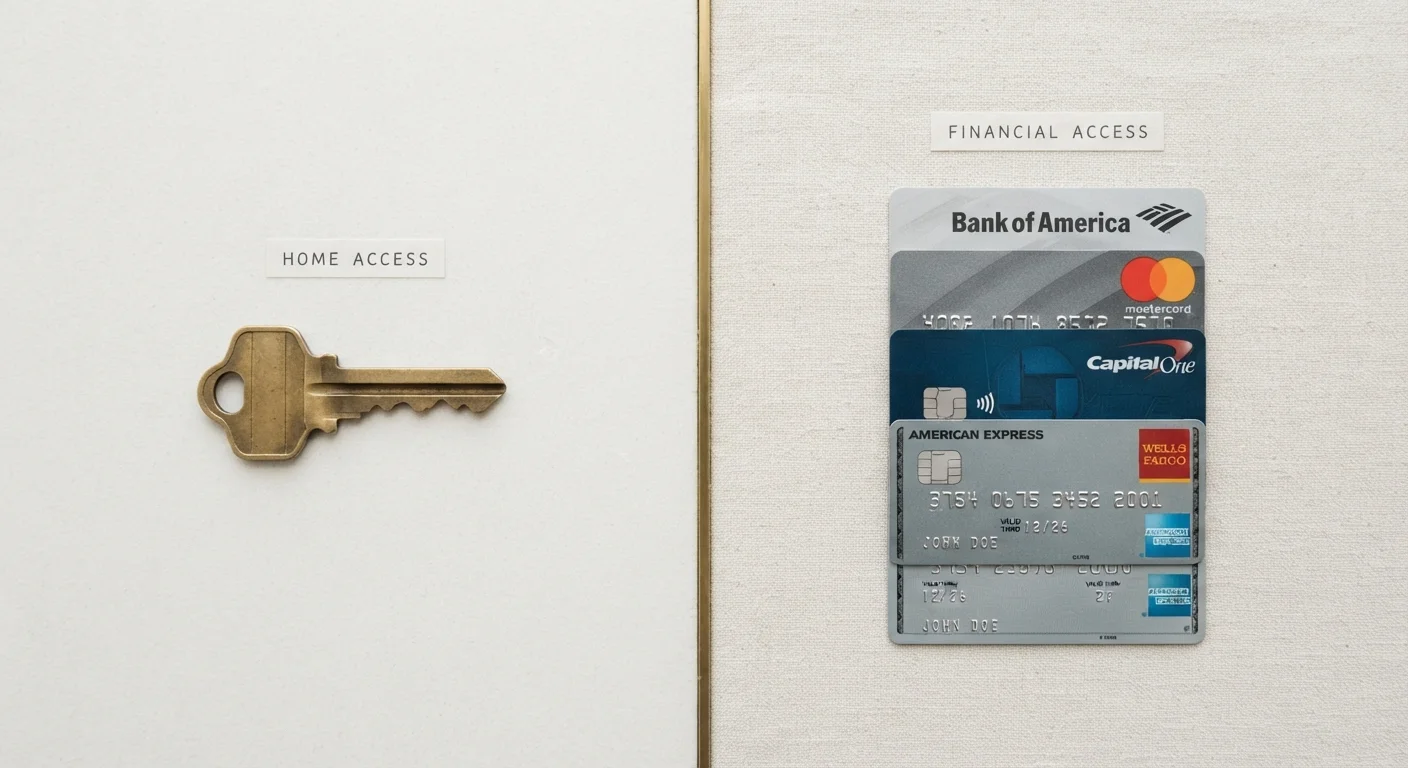
Photo credit: InfoHorizon.net | Access To Informative Content
In this article
Learn how secured and unsecured debt differ in legal terms, what creditors can do in each case, and how that shapes smart repayment priorities.
Key Takeaways
- Secured debt is backed by collateral; missing payments can cost you a home, car, or other asset.
- Unsecured debt has no collateral, but unpaid balances can still lead to lawsuits and wage garnishment.
- When money is tight, most financial professionals advise prioritizing secured debts to protect essential assets.
- Both debt types damage your credit score when payments are missed, though consequences differ in severity.
- Understanding debt type helps you negotiate, consolidate, or settle more effectively.
What Separates Secured from Unsecured Debt
The core distinction comes down to one word: collateral. Secured debt is tied to a specific asset — called collateral — that the lender has a legal right to seize if you stop making payments. A mortgage is secured by your home; an auto loan is secured by your vehicle. Unsecured debt requires no such pledge. Credit cards, medical bills, student loans (in most cases), and personal loans typically fall into this category.
This isn't just a technical detail. The presence or absence of collateral determines what a creditor can legally do when payments stop — and that shapes everything from interest rates to your repayment strategy during a financial crunch. For a plain-language breakdown of key borrowing terms, see the debt and credit glossary that covers vocabulary every borrower should know.
| Criterion | Secured Debt | Unsecured Debt |
|---|---|---|
| Collateral required | Yes (home, car, asset) | No |
| Common examples | Mortgage, auto loan, HELOC | Credit cards, medical bills, personal loans |
| Typical interest rate | Lower (reduced lender risk) | Higher (no collateral backing) |
| Immediate default consequence | Repossession or foreclosure | Collections, then possible lawsuit |
| Court order needed to collect | Often not required | Generally required before garnishment |
| Repayment priority in a crisis | Highest — protect essential assets | Lower — more time before severe action |
| Credit score impact if missed | Severe and long-lasting | Significant, but foreclosure is worse |
What Creditors Can Actually Do — and When
With secured debt, the lender's power is direct and often fast. A mortgage servicer can begin foreclosure proceedings after a defined number of missed payments — in many states, the process starts within 90 to 120 days of default. Auto lenders in most states can repossess a vehicle without going to court, sometimes within days of a missed payment. You may lose the asset even if you've paid for years.
Unsecured creditors have a longer, less direct path. They cannot seize property immediately. Instead, they typically escalate through internal collections, sell the debt to a third-party collector, or file a lawsuit. If they win a judgment, they can then pursue wage garnishment or bank account levies — but only after that legal process concludes. This extra time is why unsecured debt, while still serious, is generally considered lower urgency when you must triage payments.
Federal Student Loans: An Important Exception
Most student loans are technically unsecured, but federal student loans carry enforcement powers that ordinary unsecured debts do not. The federal government can garnish wages, Social Security benefits, and tax refunds administratively — without filing a lawsuit first. If federal student loan debt is part of your situation, treat it more like a priority debt regardless of its unsecured classification. Private student loans do not share these powers and follow standard unsecured collection procedures.
That said, ignoring unsecured debt entirely is risky. Judgments become part of the public record, garnishment can reduce your take-home pay significantly, and the credit damage accumulates regardless of debt type. The complete reference on managing debt and credit covers legal rights and protections borrowers have at each stage.
How Debt Type Should Shape Your Repayment Priorities
When income drops — due to job loss, medical crisis, or any unexpected disruption — most financial professionals suggest organizing debts by consequence, not by balance or interest rate alone.
~$1.14T
Total U.S. credit card debt outstanding
The Federal Reserve Bank of New York reported U.S. credit card balances reached approximately $1.14 trillion as of late 2023, representing a large share of total unsecured consumer debt.
~120 days
Typical mortgage default window before foreclosure begins
Under federal mortgage servicing rules, most servicers may not initiate foreclosure until a borrower is more than 120 days delinquent, giving homeowners a defined window to seek alternatives.
25%
Maximum disposable income that can be wage-garnished
Under the Consumer Credit Protection Act, most creditors with a court judgment may not garnish more than 25% of a borrower's disposable weekly earnings, or the amount above 30 times the federal minimum wage, whichever is less.
- Secured debts tied to essential assets first. Mortgage or rent, car payments if the vehicle is needed for work, and utility bills that carry disconnection risk should top the list. Falling behind here can trigger rapid, hard-to-reverse consequences.
- Unsecured priority debts next. Some unsecured debts carry special enforcement powers — federal student loans, for example, can result in administrative wage garnishment without a court order. Tax debts are another example. These deserve elevated attention even without collateral.
- General unsecured debts last. Credit card balances, medical bills, and most personal loans fall here. They hurt your credit when unpaid and can eventually lead to lawsuits, but the creditor must take extra steps before reaching your paycheck or bank account.
If the volume of unsecured debt has become unmanageable, it may be worth exploring whether consolidation makes sense. The article explaining debt consolidation walks through how it works and when it genuinely helps versus when it doesn't.
Before agreeing to any settlement on unsecured balances, also review the trade-offs carefully. The debt settlement trade-offs article provides a balanced look at the risks alongside any potential benefit.
This article is for general informational and educational purposes only and does not constitute personalized financial, legal, or tax advice. Consult a qualified financial adviser or attorney for guidance specific to your situation.

Author
Finance Editorial Team
Finance Editorial Team is the collective byline for our editorial team and contributor network. Articles published under this byline or an editorial pen name are researched, written, and reviewed according to our editorial standards for clarity, consistency, and independence before publication.
View all articles →