
Why Your Brakes Are Squealing - and What to Do Next
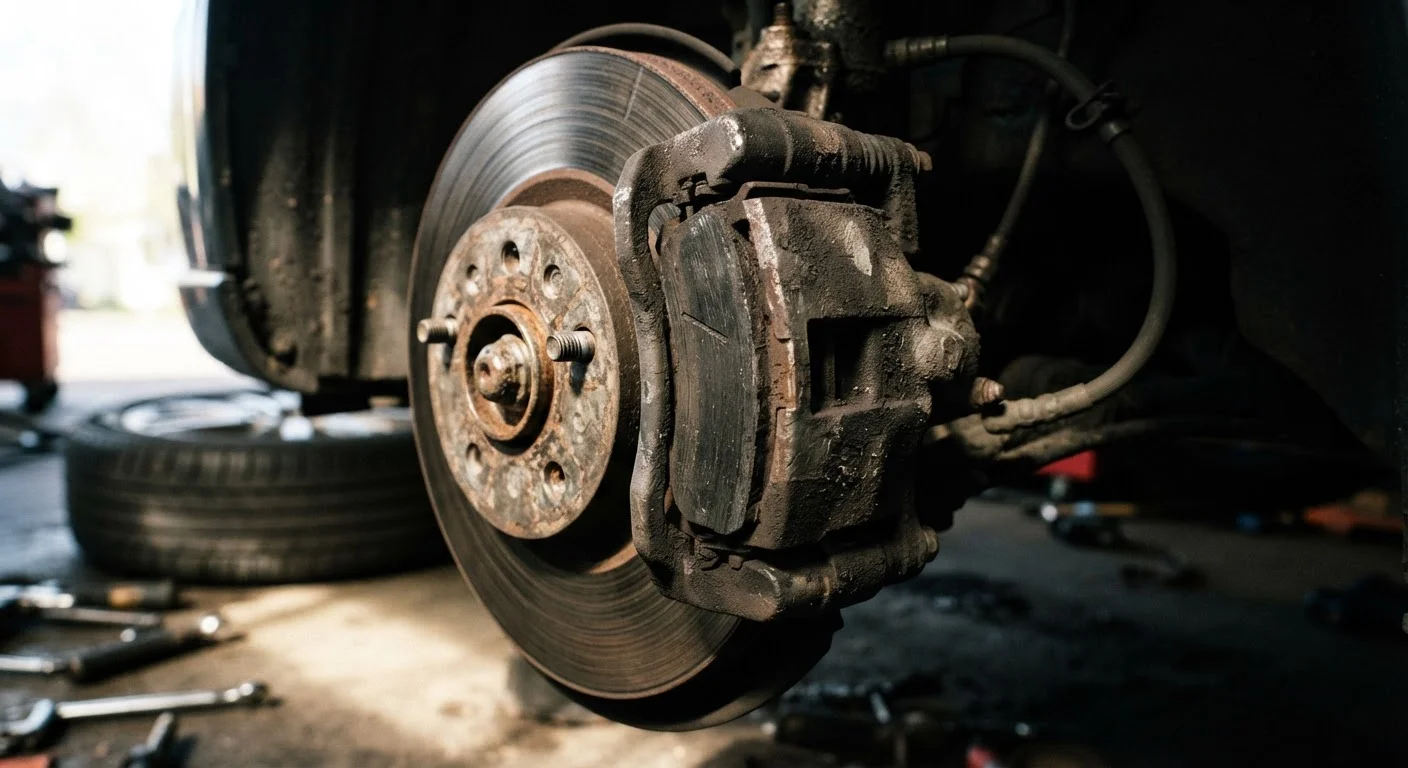
Photo credit: InfoHorizon.net | Access To Informative Content
In this article
Squealing brakes can signal worn pads or something more serious. Learn what the sounds mean and when to see a mechanic.
Key Takeaways
- Squealing brakes most commonly signal worn brake pads that need replacing soon.
- Ignoring brake noise can lead to rotor damage, significantly increasing repair costs.
- Some squealing is normal in certain conditions, but persistent noise always warrants inspection.
- A qualified mechanic should evaluate any brake noise that accompanies reduced stopping performance.
What That Squeal Is Actually Telling You
Brake noise is your car's way of communicating - and it pays to listen. The most common cause of squealing is a wear indicator, a small metal tab built into most modern brake pads that contacts the rotor when the pad material wears thin. That high-pitched squeal is intentional: it's designed to grab your attention before the pad wears out entirely.
Not all squealing means imminent danger, however. Light surface rust on rotors - common after a car sits overnight in wet weather - often causes a brief squeal that disappears after a few stops. Cold weather and certain pad formulations (particularly semi-metallic pads) can also produce noise that fades once the brakes warm up. The key distinction is persistence: rust and temperature-related squeals go away quickly; worn-pad squeals tend to return every time you brake.
A grinding or growling sound is a more serious signal. That typically means the pad material is gone and metal is contacting metal - at that point, rotor damage is likely already occurring. If your brakes are grinding, schedule a mechanic visit promptly. If you ever experience noise alongside a spongy pedal, pulling to one side, or longer stopping distances, treat it as urgent. For guidance on what happens when braking truly fails at speed, see how to handle brake failures.
Mistakes Drivers Make When Brakes Start Squealing
How you respond to brake noise matters as much as recognizing it. Several common missteps can turn a straightforward pad replacement into a costly repair - or, worse, compromise your safety.
Waiting weeks or months after the noise starts before having brakes inspected.
Why it happens: Drivers often assume the noise will go away on its own, or they underestimate how quickly brake pads can wear through completely.
Assuming the brakes are fine because the car still stops normally.
Why it happens: Stopping performance often feels adequate even when pads are critically worn, which gives drivers a false sense of security.
Attempting a DIY brake job without the proper tools, knowledge, or safety precautions.
Why it happens: Online tutorials make brake pad replacement look straightforward, and many drivers want to save on labor costs.
Ignoring squealing on one side and assuming it's "just one pad."
Why it happens: Drivers sometimes notice the noise comes from only one corner and figure the problem is minor or isolated.
Using spray lubricants directly on brake pads or rotors to silence the noise.
Why it happens: It seems logical that a squeak caused by friction could be silenced with lubrication.
~$300
Average cost of a brake pad replacement per axle
Industry service data consistently shows rotor replacement adds several hundred dollars more, underscoring the cost of delaying pad service.
20-40%
Braking distance increase with severely worn pads
Automotive safety research indicates stopping distances can increase substantially once brake pads are worn beyond their serviceable limit.
When to Stop Driving and When to Drive Cautiously to a Shop
Most squealing brakes don't require you to pull over immediately, but they do require a timely response. If the noise is a consistent squeal with no other symptoms - normal pedal feel, straight stopping, no vibration - it's generally safe to drive carefully to a shop within a few days. Avoid aggressive braking and leave extra following distance in the meantime.
Stop driving and arrange a tow or emergency appointment if you notice any of the following alongside the noise: a pedal that sinks toward the floor, visible brake fluid leaking near a wheel, smoke or burning smell, or a significant pull to one side when braking. These signs suggest a more serious system failure.
These Symptoms Mean Stop Driving Now
A brake pedal that travels to the floor, visible fluid pooling near a wheel, or any burning smell combined with brake noise are signs of a potential system failure - not a routine worn-pad situation. Do not continue driving. Have the vehicle towed to a qualified mechanic for immediate inspection.
Before your appointment, take a moment to gather information: when did the noise start, does it happen at all speeds or only at low speed, does it occur when braking or also when coasting? Mechanics can diagnose faster and more accurately with that context. Our guide on questions to ask before seeing a mechanic can help you walk in prepared and avoid unnecessary upsells.

Author
Cars Editorial Team
Cars Editorial Team is the collective byline for our editorial team and contributor network. Articles published under this byline or an editorial pen name are researched, written, and reviewed according to our editorial standards for clarity, consistency, and independence before publication.
View all articles →