
The Home Appraisal Process: What It Is and Why It Matters to Buyers
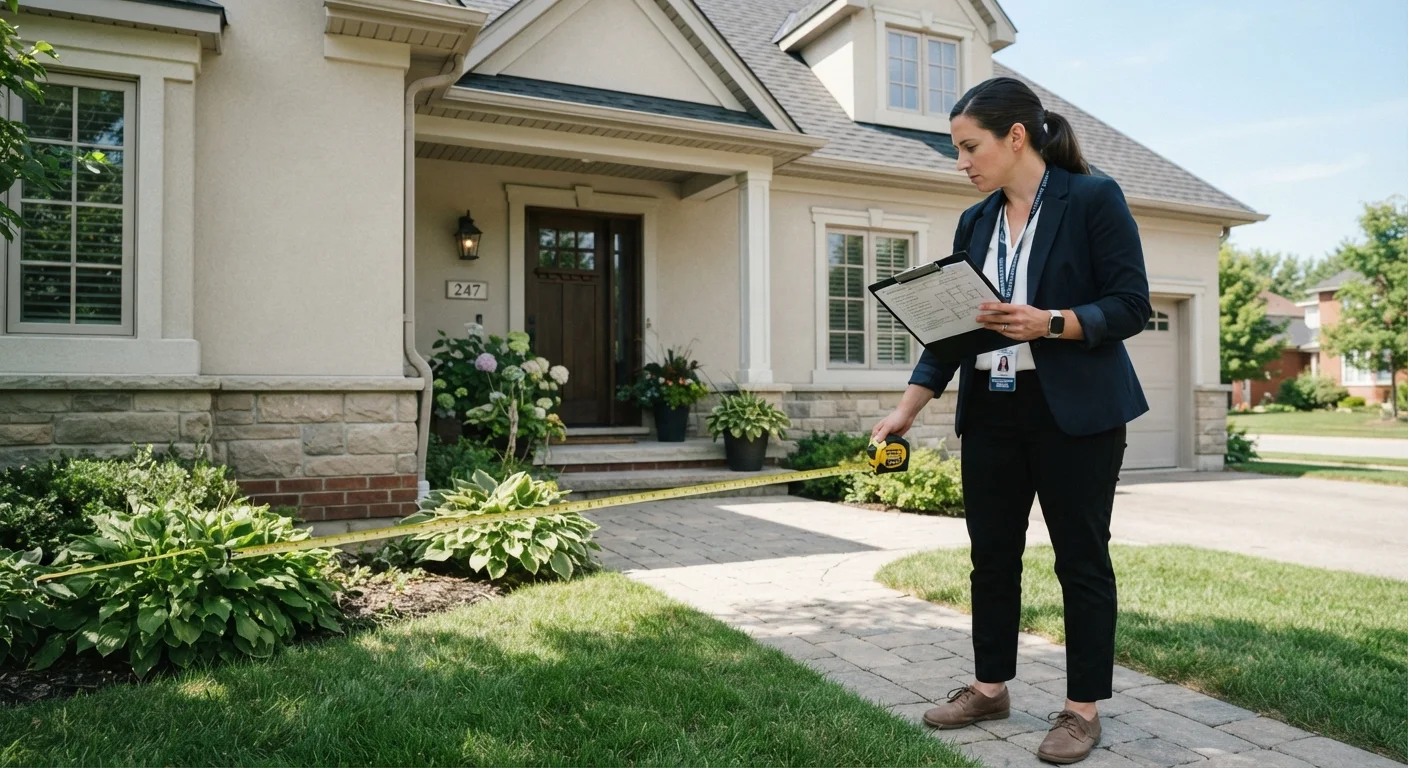
Photo credit: InfoHorizon.net | Access To Informative Content
In this article
Lenders require appraisals to protect their investment — but buyers benefit from understanding them too. Here's how the process works.
Key Takeaways
- Lenders order appraisals to protect themselves, but the results directly affect what buyers can borrow.
- If the appraised value comes in below the purchase price, buyers may need to renegotiate or cover the gap in cash.
- Appraisers evaluate location, condition, size, and recent comparable sales — not just the listing price.
- Buyers typically pay the appraisal fee at closing or upfront, usually between $300 and $600.
- A low appraisal doesn't automatically kill a deal — several options exist to keep the transaction moving.
- An appraisal is not a home inspection; it assesses value, not the full condition of the property.
Why Lenders Require an Appraisal
When a lender agrees to finance a home purchase, the property itself serves as collateral for the loan. If a buyer defaults, the lender needs to be confident it can recover its money by selling the home. That's the core reason every conventional and government-backed mortgage requires an appraisal: the lender won't lend more than a home is actually worth.
For buyers, this creates an important dynamic. You may agree to pay $450,000 for a home, but if an independent appraiser values it at $420,000, your lender will typically only finance based on the lower figure. The $30,000 gap becomes your problem to solve. Understanding this mechanism before you make an offer is essential — it's a core piece of what first-time buyers need to know before they begin seriously shopping.
$300–$600
Typical appraisal fee for a single-family home
Costs vary by property size, complexity, and regional market; rural properties or large estates often cost more.
~7–10 days
Average time to receive a completed appraisal report
Turnaround times can extend in competitive markets where licensed appraisers face high demand.
1 in 7
Appraisals that come in below the contract price
Industry data from Fannie Mae and appraisal trade groups suggest low appraisals are a consistent occurrence, particularly in rapidly appreciating markets.
What an Appraiser Actually Evaluates
A licensed appraiser conducts both an in-person property visit and a thorough market analysis. During the visit, they assess:
- Location and neighborhood — proximity to schools, employment centers, and amenities
- Physical condition — age, structural integrity, finishes, and any visible issues
- Size and layout — square footage, number of bedrooms and bathrooms, and functional use of space
- Recent comparable sales — typically 3–5 similar homes that have sold nearby within the past 3–6 months
The appraiser reconciles these factors to arrive at a final opinion of value, which is documented in a formal appraisal report delivered to the lender. Notably, the appraiser's job is to reflect what the market would pay — not to validate a listing price or confirm a buyer's offer.
Help the Appraiser Capture Full Value
Sellers and their agents typically prepare for the appraisal visit, but buyers benefit from knowing what's considered. If you've negotiated repairs or upgrades as part of your purchase agreement, make sure those are documented and visible. While buyers don't control the appointment, your agent can confirm the appraiser has access to the full property and any relevant permits or improvement records.
The Appraisal Timeline in a Typical Transaction
Appraisals are ordered after a purchase agreement is signed, usually as part of the lender's underwriting process. For a complete picture of where this fits in the transaction, see our stage-by-stage overview of the homebuying process.
Once ordered, the appraisal is typically completed within one to two weeks, though timelines can stretch in high-demand markets where appraisers are in short supply. The lender will share the report with the buyer, who has a right to receive a copy under federal law.
Many buyers include an appraisal contingency in their purchase contract, which provides the right to renegotiate or exit the deal without penalty if the appraisal falls short. This contingency is one of several protective clauses covered in detail in our guide to contingencies that protect home buyers.
When the Appraisal Comes In Low: Your Options
A below-contract appraisal is one of the more stressful moments in a home purchase, but it's not necessarily a deal-breaker. Buyers generally have three paths forward:
- Negotiate a price reduction — Request that the seller lower the purchase price to match the appraised value. Sellers may agree, especially if they want to close quickly or the market has softened.
- Cover the gap out of pocket — Pay the difference between the appraised value and the purchase price in cash, in addition to your down payment. This is more feasible for buyers with significant reserves.
- Challenge the appraisal — Submit a reconsideration of value (ROV) to your lender with evidence of comparable sales the appraiser may have missed. This doesn't always succeed, but factual errors or overlooked data can sometimes lead to a revised value.
Your buyer's agent can play a critical role here, helping you identify relevant comps and advising on negotiation strategy based on current market conditions.
Appraisal vs. Assessed Value: Not the Same
A home's tax-assessed value — set by the local government for property tax purposes — is separate from its appraised market value. Assessed values are often lower than market value and are updated on fixed cycles, not in real time. When a lender orders an appraisal, it reflects current market conditions, not what the county tax rolls say.
Frequently Asked Questions

Author
Real Estate Editorial Team
Real Estate Editorial Team is the collective byline for our editorial team and contributor network. Articles published under this byline or an editorial pen name are researched, written, and reviewed according to our editorial standards for clarity, consistency, and independence before publication.
View all articles →