
Fixed vs. Variable Expenses: What the Difference Means for Your Budget
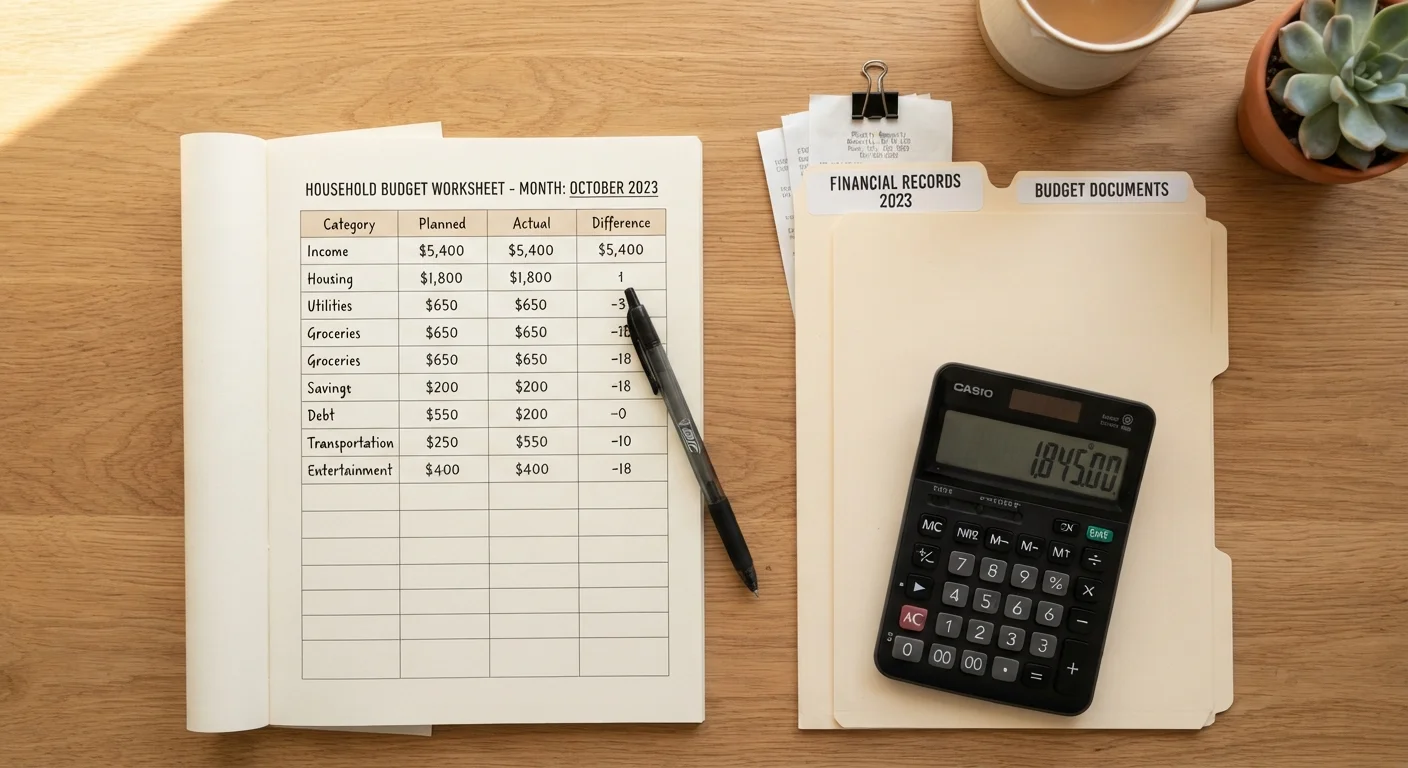
Photo credit: InfoHorizon.net | Access To Informative Content
In this article
Fixed and variable costs behave differently in a budget. Here's how to account for both so monthly spending surprises stop derailing your plan.
Key Takeaways
- Fixed expenses stay the same every month; variable expenses change based on usage or choices.
- Knowing your total fixed costs reveals the minimum income you need to stay financially stable.
- Variable expenses are where most people find room to cut or redirect money in a budget.
- Some expenses — like utilities — behave as semi-variable, requiring average estimates rather than exact figures.
- Tracking both categories separately makes it easier to diagnose and fix budget overruns.
The Core Difference: Predictable vs. Flexible
Fixed expenses are costs that remain the same amount every billing cycle regardless of how you live that month. Rent or mortgage payments, car loan installments, insurance premiums, and set subscription fees are classic examples. You owe the same dollar amount whether you stayed home all month or traveled every weekend.
Variable expenses, by contrast, shift based on behavior, consumption, or circumstance. Groceries, gas, dining out, entertainment, and clothing all fall here. Spend more, pay more. Cut back, spend less. That inherent flexibility is what makes variable costs both the biggest challenge and the biggest opportunity in a budget.
A third category — sometimes called semi-variable or irregular expenses — behaves like a hybrid. Utilities are a common example: your electric bill is predictable in structure but varies in amount by season. For budgeting purposes, averaging several months of past bills usually produces a workable estimate.
| Criterion | Fixed Expenses | Variable Expenses |
|---|---|---|
| Amount each month | Stays the same | Changes month to month |
| Examples | Rent, car loan, insurance | Groceries, gas, dining out |
| Budget method | Use exact amount | Estimate based on past spending |
| Room to cut | Limited without a major life change | Often significant with behavior shifts |
| Budget priority | Covered first — non-negotiable | Allocated after fixed costs are covered |
| Risk if underestimated | Missed payments, late fees | Chronic budget overruns |
Why the Distinction Matters When You're Building a Budget
When you sit down to build a monthly budget, fixed expenses should be listed first. Together, they define your financial floor — the minimum you must bring in before you have a single dollar of discretion. If your fixed obligations total $2,400 and your take-home pay is $3,200, you have $800 left to allocate toward groceries, transportation, savings, and everything else.
Variable expenses get budgeted second, using realistic estimates based on past spending — not wishful thinking. This is where sorting your spending into clear categories pays off. When you can see that you spent $380 on dining last month and $190 the month before, a $250 estimate is grounded rather than arbitrary.
One practical technique: treat savings as a fixed expense. Scheduling an automatic transfer the day after payday removes it from the variable pile and gives it the same protected status as rent. An emergency fund built this way also softens the blow when variable expenses spike unexpectedly.
~33%
Average share of income spent on housing
The U.S. Bureau of Labor Statistics Consumer Expenditure Survey consistently shows housing as the largest single fixed expense category for American households.
~15%
Average share of income spent on food
Food — a largely variable expense — typically represents the second- or third-largest spending category for U.S. households, making it a key lever for budget adjustments.
Common Budgeting Mistakes with Each Category
With fixed expenses, the most frequent mistake is underestimating total obligations. Annual or quarterly bills — car registration, insurance renewals, subscription renewals — don't show up monthly, so they're easy to forget. The solution is a sinking fund: divide the annual cost by 12 and set that amount aside each month so the bill never blindsides you.
With variable expenses, the trap is budgeting for best-case behavior rather than realistic behavior. Projecting $150 for groceries when you consistently spend $260 doesn't save money — it just creates a gap between your plan and reality that erodes confidence in the whole budget.
For those with income that changes month to month, managing both categories gets more complex. Strategies for irregular-income budgeting typically involve prioritizing fixed obligations from every paycheck before treating anything else as available. That discipline prevents the situation where a strong month leads to overspending that a lean month can't recover from.
If you already have a budget and suspect it's drifting, a monthly budget audit comparing actual spending against your plan — by category — will surface which variable line items are running over and whether any fixed costs have changed.
When a Fixed Expense Becomes Variable
Some costs start fixed but can be changed with deliberate action. A car insurance premium is fixed month-to-month but can be renegotiated at renewal or by adjusting coverage levels. Similarly, a streaming subscription is fixed until you cancel or downgrade it. Periodically reviewing fixed expenses — not just variable ones — can uncover savings that don't require changing your daily habits.
Putting It into Practice
The simplest way to apply this framework is a two-column list. In one column, write every fixed expense and its exact amount. In the other, list your variable categories with a realistic monthly estimate for each. Subtract both totals from your net income. What remains — if anything — is your true discretionary surplus.
That exercise alone clarifies more about a budget than most apps or spreadsheets because it forces honesty. If fixed expenses consume 80% of take-home pay, variable trimming alone won't fix the structural problem — a fixed-cost reduction (refinancing, downsizing, renegotiating a bill) may be necessary. If fixed costs are manageable but money still disappears, the culprit is almost certainly variable spending that hasn't been tracked.
From there, setting up a monthly budget you can realistically follow becomes a matter of assigning every remaining dollar a purpose — whether that's debt repayment, saving, or discretionary spending — before the month begins rather than after it ends.
This article is for general informational and educational purposes only and does not constitute personalized financial advice. Consult a qualified financial professional for guidance specific to your situation.

Author
Finance Editorial Team
Finance Editorial Team is the collective byline for our editorial team and contributor network. Articles published under this byline or an editorial pen name are researched, written, and reviewed according to our editorial standards for clarity, consistency, and independence before publication.
View all articles →